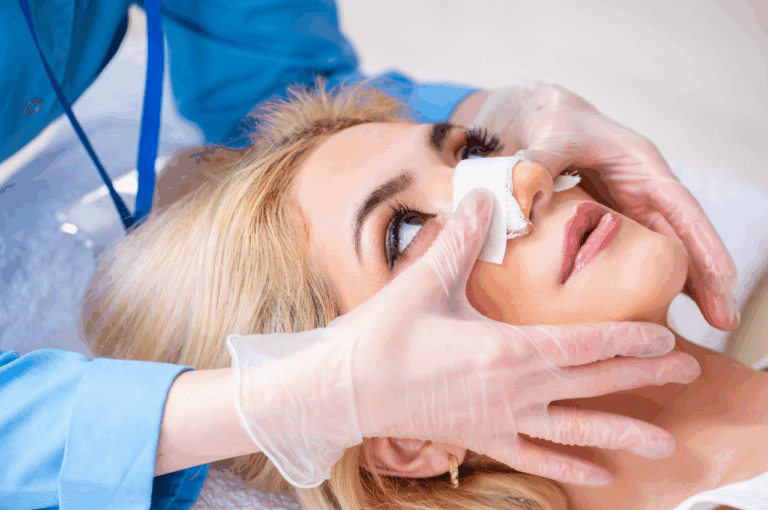
At the Rhinoplasty Center of Long Island, patients often ask about what to expect after rhinoplasty, especially when it comes to the recovery process. One important yet often misunderstood aspect is the purpose and technique of taping the nose following surgery. This routine step can make a significant difference in your healing, as well as in your final results.
Some patients have questions about why their noses need to be taped or how long the taping process lasts. If nose surgery is in your future or you simply want to understand the details, gaining a thorough understanding of post-surgical taping can help you feel at ease and empower you to care for your results properly. Our team shares helpful information below.
Key Takeaways

The Purpose of Taping After Rhinoplasty
Why Taping is Essential for Recovery
Taping the nose after rhinoplasty serves as more than a simple bandage. The main purpose is to support and protect the new nasal structure, especially while tissues remain vulnerable during the early healing phase of your rhinoplasty procedure.
Swelling is a normal response after nose surgery. By applying gentle, even pressure, medical tape helps reduce swelling over time. Our surgeon often emphasizes that this minimizes fluid buildup and encourages a smoother final contour.
Taping also provides a clear boundary and gentle support for the reshaped cartilage and bone. This stage is critical during the first few weeks post-surgery. The nose can be delicate, and accidental movement or pressure from daily life can disrupt healing, so the tape adds protection.
The Role of Taping in Shaping Results
The nose heals in gradual stages. Even after the initial swelling dissipates, the skin and soft tissue continue to settle for months. During this time, strategic taping can guide the skin to conform to the new framework of the nose.
This means the tape helps the surface of the nose “shrink wrap” over the underlying structure. The effect is subtle but can influence sharpness, definition, and the avoidance of prolonged swelling, especially around the tip and bridge.
How Surgeons Apply Nasal Tape
When Nasal Taping Starts
Most patients receive their first nasal tape after the external splint comes off. This typically happens about one week following their rhinoplasty.
Our doctor demonstrates the process during your follow-up visit and explains exactly how to continue at home. The timing varies based on your skin type, the details of your procedure, and the nature of the swelling present.
The Step-by-Step Application Process
Applying nasal tape involves simple materials, yet the technique makes all the difference. At the Rhinoplasty Center of Long Island, we focus on teaching patients gentle, effective taping. Here is what to expect:
- Cleansing the Skin: Always start with clean, dry skin. This minimizes bacteria, protects healing tissue, and helps the tape adhere well.
- Choosing the Right Tape: Our practice usually recommends hypoallergenic surgical tape or paper tape. These options are breathable, gentle, and less likely to irritate sensitive post-surgical skin.
- Cutting the Tape: Snip several strips to an appropriate length for your unique nose shape, as directed by our surgical team. The doctor will show you exactly how long and wide the tape strips should be for your anatomy.
- Securing the Bridge: Start with straight strips placed horizontally across the bridge of the nose, extending from one side to the other. Apply each strip with light, even pressure, taking care to avoid squeezing or distorting the nose.
- Supporting the Tip: Some patients benefit from additional strips to create a “U” or “V” shape under the nasal tip. This provides support for the most delicate part of the nose, which is prone to swelling.
- Finishing Touches: Once the tape is in place, gently press each section to ensure full contact. The tape should feel secure but not tight or uncomfortable.
Our nursing staff will repeat the demonstration, answer questions, and supervise your first at-home attempt if needed. Building confidence with taping can make a noticeable difference in your ease of recovery.
Benefits of Consistent Nose Taping
Proper and frequent taping offers several important benefits during the rhinoplasty recovery journey. The advantages extend beyond just comfort.
Patients often ask how taping helps, so our team has summarized the main advantages:
- Reduces Swelling: Applying tape assists in minimizing post-surgical swelling by promoting lymphatic drainage and discouraging fluid from collecting under the skin.
- Defines Final Shape: Consistent taping helps the skin adhere closely to the new nasal framework, which ensures well-defined contours.
- Prevents Irregularities: Tape provides gentle support that prevents the skin from healing unevenly, reducing the risk of bumps or indentations.
- Offers Protection: Taping acts as a light barrier that helps prevent accidental bumps, scratches, or direct pressure during sleep or routine activities.
Every patient has unique needs, and some may experience these benefits more strongly than others, depending on their skin thickness, rhinoplasty surgical technique, and healing speed.

How Long is the Taping Phase
The length of the taping phase varies depending on surgical details and your body’s healing response. Most patients wear tape regularly for the first one to three weeks after cast removal.
Our surgeon usually recommends nightly taping after the first week. Some patients, especially those with thicker skin or a tendency for prolonged swelling, may continue for up to six weeks or more.
You should stop taping only after your doctor has assessed your progress and given clear instructions. Prematurely discontinuing tape can increase swelling or prolong your recovery, so follow your personalized schedule closely.
Remember, open communication with our team is essential if you feel unsure about when to taper off taping. Long-term, diligent adherence can enhance the smoothness and definition of your final results.
Potential Risks and Concerns With Taping
Possible Adverse Reactions
Most patients tolerate nasal tape well, but minor issues can sometimes arise. Here are some of the more common concerns:
- Skin Irritation: Prolonged taping can occasionally cause redness, flaking, or itching. Using hypoallergenic tape and moisturizers can prevent or lessen these side effects.
- Allergic Response: Some patients, especially those with very sensitive skin, might develop contact allergies to adhesive tape. The solution may involve switching to silicone-based or specialty tapes that we can provide.
- Premature Tape Lifting: Tape may peel off too soon due to oil, sweat, or friction. Proper skin cleansing and avoiding oily products help maximize adhesion.
These problems rarely affect recovery or the final cosmetic result as long as our doctor addresses them promptly. If you have a history of allergies or react strongly to adhesives, alert our staff ahead of time so we can individualize your plan.
Emotional and Practical Concerns
Nasal taping requires a degree of patience and attention to detail at home, which can sometimes feel daunting. Patients might feel anxious about causing harm or struggle to maintain consistency during nighttime or busy periods.
Building a daily habit, keeping supplies handy, and reaching out for support at our practice can ease this transition. If any difficulties persist, our team welcomes questions and can adjust your regimen for safety and comfort.
Misconceptions About Nose Taping
Several persistent misunderstandings surround the use of tape after rhinoplasty. Our doctor takes time to address these myths at every postoperative visit.
For example, some patients assume taping alone determines the perfect nose shape. While tape plays a role in guiding healing, surgical skill, and proper aftercare carry far more weight in shaping overall outcomes.
There is also a mistaken belief that skipping a night or two of taping will ruin results. Missing an isolated taping session is not likely to create major issues. Consistency over weeks is what matters most.
Others worry that taping will restrict breathing or cause significant discomfort. When properly applied, tape should not block nasal passages or feel overly tight.
Whether you have had a cosmetic or a functional nose job, if you have concerns based on advice from online forums or friends, always consult with our surgical staff. We can clarify what applies to your case and what does not.
Tips for Successful Nose Taping
Patients recovering from rhinoplasty at our practice often find success with a few simple strategies. Following these tips can help maximize comfort and confidence and preserve your results.
Helpful Tips From Our Surgical Team
Keeping these points in mind often improves the daily taping experience:
- Choose the Right Tape: Always select surgical or paper tape that is hypoallergenic and breathable.
- Work With Clean Hands: Wash your hands thoroughly before each taping session to avoid contaminating the healing area.
- Follow the Demonstration Closely: Use the step-by-step technique that our staff demonstrated during your follow-up.
- Avoid Reusing Old Tape: Start each application with fresh strips to ensure optimal hygiene and adhesion.
- Remove Tape Gently: Soften the adhesive in the shower or with warm water if needed. Your healing skin is sensitive and needs extra care.
Many patients find it helpful to set reminders or keep a small tape kit nearby. Our office is always available if you prefer a refresher on the application process.
Frequently Asked Questions About Nose Taping
Patients often ask about changes and challenges during the early weeks. Here are some of the most common questions our staff hears:
Our staff will address questions as they arise during your follow-ups. If anything unusual occurs, our team is ready to offer support and guidance.
Supporting Your Long-Term Results
The Role of Aftercare Beyond Taping
Taping is one part of a broader aftercare plan at the Rhinoplasty Center of Long Island. Avoiding trauma, keeping the nose protected, following our doctor’s guidelines on activity, and attending follow-up visits are all just as important.
Consistent taping often produces subtle, meaningful improvements in contour and reduces downtime from swelling. Yet, your outcomes also depend on your overall health, your genetics, and your level of compliance with post-surgical instructions.
When to Contact Our Practice
We encourage patients to reach out if there is persistent swelling, redness, peeling, or uncertainty about taping. Prompt communication and teamwork between you and our staff usually result in the best possible healing and cosmetic outcome.
Our surgeon reviews the progress at each visit, adjusts the taping plan as necessary, and helps troubleshoot any discomfort or worry. Transparent conversation builds trust and supports a smoother recovery experience.

Achieving Your Best Results
Nose taping after rhinoplasty represents a small but impactful step in your path to both swift recovery and inspiring results. By understanding its purpose, mastering the application, and following our tailored advice, you equip yourself with tools that preserve your investment in surgery.
Patients at the Rhinoplasty Center of Long Island consistently find that clear communication, skilled aftercare, and ongoing support set them up for success. Our surgeon and entire team believe in guiding you through each phase, from splint removal to the end of taping, with education and reassurance.
If you have questions or concerns about nasal taping or are interested in starting your rhinoplasty journey, consider scheduling a consultation at our Long Island office. Our team is ready to provide personalized care and all the resources you need to feel confident throughout your recovery.