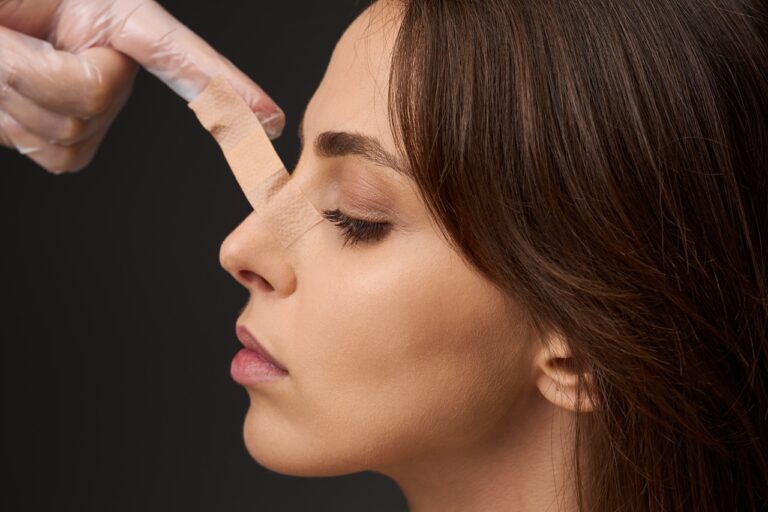
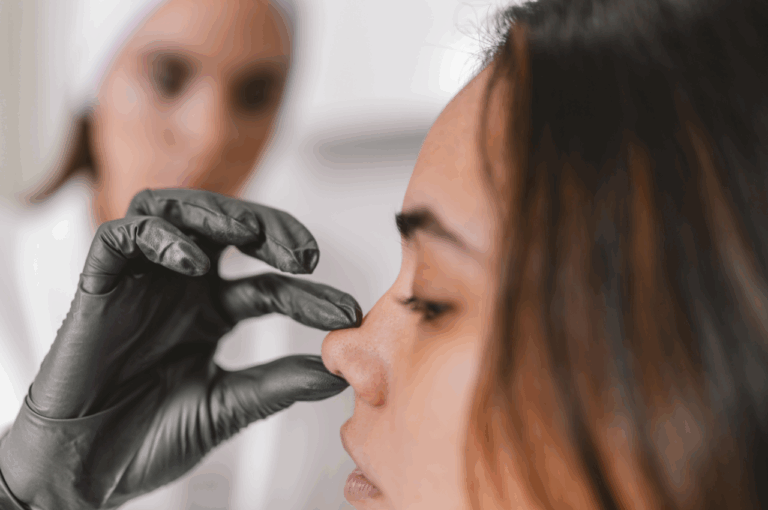
While rhinoplasty offers life-changing results, the healing process is surprisingly complex, leaving many patients wondering months later if their nose is still swollen.
At the Rhinoplasty Center of Long Island, our surgeon helps patients navigate the unique timeline of healing after nasal surgery. Knowing how to recognize lingering swelling can help set proper expectations and make your rhinoplasty recovery less stressful. In the following guide, we break down practical steps to evaluate swelling and provide guidance on what to expect and when to seek help.
Key Takeaways
The Post-Rhinoplasty Swelling Timeline
Nasal swelling after cosmetic surgery does not follow a universal schedule. In the days immediately following rhinoplasty, the nose often appears dramatically swollen, with much of the swelling concentrated at the tip and the sides. This puffiness can make it difficult for you to recognize the shape of your final result.
Over the first two weeks, most patients witness a significant reduction in swelling. However, smaller residual changes can persist for months as the nose gradually settles. At the three-month mark, around 75 to 85 percent of swelling typically resolves, yet even at one year, subtle edema may remain, especially at the tip.
How Swelling Evolves Over Time
Nasal swelling after rhinoplasty follows a gradual and often unpredictable course. Swelling typically appears symmetrical at first, but it may change as healing progresses. In some cases, swelling will shift or develop asymmetrically, especially if there was more surgical work on one side.
Many patients notice that the bridge reduces in size first, with the tip retaining puffiness longest. Minor swelling can also change day to day as fluid redistributes. Patience becomes vital because the nose can continue refining for a full 12 to 18 months.
Factors That Influence Swelling Duration
Not all noses heal at the same speed. Several important factors affect how long swelling lingers:
- Surgical Approach: Open rhinoplasty may lead to longer swelling than closed techniques because the surgeon lifts the skin to sculpt cartilage, which disrupts more tissue.
- Individual Healing: Age, skin thickness, and genetic differences have major effects. Thicker skin, for example, tends to hold swelling longer and obscure fine definition.
- Aftercare: Adhering closely to aftercare, such as gentle icing, head elevation, and sun protection, supports faster resolution.
- Activity Level: Vigorous physical activity, bending, or heavy lifting soon after surgery can increase swelling.
If you wonder why your swelling seems to persist, it helps to consider these specific factors and whether you follow our recommended recovery guidelines.
Physical Signs Your Nose Is Still Swollen
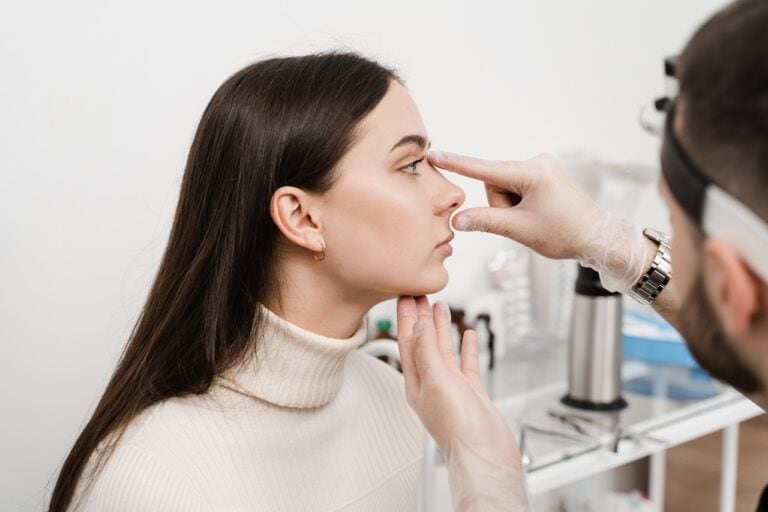
Observing and feeling your nose closely helps you identify whether swelling remains. Swelling may not always be dramatic, but knowing the key features helps clarify your own progress or highlight if additional care is needed.
Visual Clues of Persistence Swelling
- Broader Nasal Tip: The tip often appears ball-like or rounder than you expected from surgery.
- Blunted Contour: Fine definition at the bridge or tip appears softened or masked, with the edges looking ill-defined.
- Unevenness or Puffiness: Swelling does not always resolve equally. One side may appear puffier or higher than the other.
- Skin Texture Changes: Swelling can stretch the skin, making the nose look shiny, tight, or redder than normal.
These visual cues usually indicate that residual swelling remains and that it is too early to judge your final results.
Tactile Features to Assess
In addition to visual examination, gently feeling your nose may provide helpful clues:
- Increased Firmness: Swollen nasal tissue feels firmer to the touch, especially at the tip, a key stage in how cartilage settles after rhinoplasty as underlying padded tissue gradually heals.
- Temperature Change: Swollen areas can sometimes feel warmer. However, marked warmth combined with redness can signal infection and requires immediate attention.
- Numbness or Tingling: Sensation on or around the nose may feel diminished or “tingly,” which often improves as swelling subsides.
If your nose still exhibits these tactile changes after several weeks or months, swelling is likely still present.
Comparing Normal Swelling vs. Warning Signs
Distinguishing routine swelling from early warning signs of a problem remains crucial for both comfort and safety. Our surgeon at the Long Island office can help clarify anything that feels concerning, but you can use these pointers as a guide to identify what is typical and what deserves closer review.
Routine Swelling Features
- Mild puffiness that improves gradually over weeks and months
- Minor asymmetry that becomes less visible as the nose heals
- Firmness that slowly softens as new tissue forms
- Occasional fluid retention, especially at the nasal tip after sleep
Small fluctuations in size or shape during the months after surgery are normal, as swelling often fluctuates with changes in activity, salt intake, or even weather.
Warning Signs That Deserve Attention
Be alert to signs or symptoms that indicate a need to contact our practice immediately:
- Marked redness or warmth over the nose that increases
- Sudden, pronounced swelling that worsens rather than improves
- Severe or worsening pain, especially if associated with drainage or fever
- Extreme asymmetry with skin color change or loss of sensation
Our surgical team recommends prompt evaluation for any of these findings, as they can signal infection, bleeding, or rare vascular issues.

Strategies to Self-Assess Nasal Swelling
Assessing “Is my nose still swollen?” at home can be a source of anxiety. Fortunately, several reliable strategies can help you track your healing and communicate any concerns effectively to our surgeon.
Tracking Changes with Photographs
Photographs offer a powerful way to objectively monitor your nose’s evolution over time. By using the same angles and lighting, you can more easily distinguish true swelling changes from day-to-day fluctuations.
We recommend taking photos at set intervals such as one week, one month, three months, six months, and then annually. Comparing these images side by side allows you to visualize reductions in puffiness, clarify areas still healing, and keep expectations realistic.
Noticing How Your Nose Feels
Pay close attention to the “feel” of your nose day by day. A swollen nose often feels stiff or resistant to gentle pressure, especially compared to other areas of your face.
With proper healing, you should notice that sensitivity decreases, the firmness lessens, and the nose feels more “like you.” This subtle shift hints that swelling continues to subside, even if external changes appear gradual.
Comparing with Pre-Surgical Expectations
It helps to recall what you and our surgeon discussed before surgery regarding your expected results. If your nose still looks or feels different than what you both envisioned, especially after several months, healing may still be underway. Direct communication with our team helps adjust expectations and offers support.
Tips to Help Minimize and Manage Swelling
There are proven methods that can support your rhinoplasty healing and reduce the time it takes for swelling to resolve. Applying these strategies may help you feel more comfortable and confident as your results emerge.
Steps to Reduce Swelling
Proper management of swelling requires consistent aftercare and attention to a few important habits. The following list summarizes steps that can help minimize and manage swelling as you recover from rhinoplasty.
- Gentle Icing: Apply cold compresses to the cheeks (not directly on your nose) for the first few days. This helps limit blood flow to the area and decreases initial swelling.
- Elevate Head: Sleep on two pillows or use a wedge to keep your head above your heart. Proper sleep after rhinoplasty is essential, as elevation encourages fluids to drain away from the nose.
- Limit Physical Activity: Avoid bending, lifting, and strenuous exercise until our surgeon clears you. Excess movement can worsen swelling or cause additional bleeding.
- Careful Nutrition and Hydration: Eating a diet rich in vitamins, low in salt, and ample in hydration supports tissue healing and reduces fluid retention.
- Protect Skin from Sun: Wear broad-spectrum sunscreen and avoid excessive sunlight to prevent skin changes that can make swelling appear worse.
- Consistent Hygiene: Gently clean the nasal area with saline sprays and avoid disturbing any healing incisions.
Applying these steps helps ensure smoother healing and can relieve worry as you observe changes in your nose day to day.
When to See Our Surgeon for Persistent Swelling
Although patience is key, you may eventually wonder if your swelling has lasted longer than usual or if an underlying issue exists. Knowing when to seek an assessment provides peace of mind and may help avoid longer-term complications.
Reasons to Schedule a Follow-Up
Consider scheduling a visit with our rhinoplasty specialist if:
- Swelling remains prominent at six months post-surgery without a gradual decrease.
- New asymmetry, hard lumps, or nodules develop under the skin.
- Unusual pain, redness, drainage, or fever accompany the swelling.
- The appearance or feeling of your nose deviates more than you or our surgeon expected.
A thorough in-person exam and possibly imaging can clarify the cause and guide further management.
What to Expect During Your Visit
During a follow-up, our surgeon examines your nose both visually and by touch. We may review your post-op photographs, discuss any changes or concerns, and suggest possible interventions. In rare cases, we can recommend steroid injections or other treatments to speed resolution.

Setting Realistic Expectations for Your Final Results
One of the most important things we emphasize at our Long Island practice is understanding that patience remains your best ally. Nasal swelling takes time to resolve, and the nose you see in the first few months represents only an intermediate stage in your recovery.
While early excitement is understandable, we encourage patients to give themselves at least 12 months before considering further revision or judging the surgery’s outcome. Complete healing allows the internal rhinoplasty scar tissue to soften, swelling to subside, and the true nasal shape to emerge.
Staying in close communication with our team at every stage gives you clarity and confidence as you move through this process.
Common Questions About Post-Rhinoplasty Swelling
Patients visiting our Long Island office often ask questions as they try to assess their recovery. Below, you will find detailed answers to the most frequent concerns regarding nasal swelling.
Your Path to a Confident, Comfortable Rhinoplasty Recovery
Navigating recovery after rhinoplasty can raise many questions, and lingering swelling is one of the most common yet misunderstood aspects of the journey. Learning the physical signs of swelling, knowing how to self-assess, and following proven management steps make it easier to track your progress and avoid unnecessary worry.
Our surgeon at the Rhinoplasty Center of Long Island understands the subtleties of healing, providing guidance every step of the way. If you ever feel unsure about your recovery, or if you want a clear, expert evaluation of your swelling or surgical results, do not hesitate to reach out.
Every patient’s healing path looks a bit different, but with patience, attentive care, and support from our experienced team, you can move toward results that enhance both your appearance and self-confidence. Contact us to arrange your rhinoplasty consultation and gain insight tailored to your needs.