At first glance, a button nose can give the entire face a softer look that many people desire. If you feel that your current nose shape draws more attention than you prefer, or you dream of a nose that looks smaller, more refined, or cuter, you may have wondered about specialized rhinoplasty options.
At Rhinoplasty Center of Long Island, our surgeons see many patients interested in the “button nose” look. We use advanced surgical skills and artistry to help each person achieve natural yet noticeable results. Before you choose any procedure, it helps to understand what button nose rhinoplasty truly involves and what to expect. Let us explain every key detail so you can feel fully prepared as you move forward.
Key Takeaways

What to Know About the Button Nose Look
Many people picture a button nose as a nose that looks small, softly rounded, and slightly upturned at the tip. This popular shape often fits especially well with balanced facial features. A button nose rarely appears pointy or bulbous, nor does it project far from the face.
Defining Features of a Button Nose
A button nose usually stands out through several features:
- The tip appears rounded, sculpted, and almost petite.
- The nostrils look even and do not flare.
- The bridge may appear narrow, but not pinched.
- The angle between the upper lip and nose is sharper, gently lifting the tip.
- There is minimal to no visible bump or dorsal hump.
Our surgeon never relies on a “one size fits all” plan. We listen to your vision and analyze your entire facial structure before making any recommendations. Your own natural bone and cartilage play key roles in determining what is safely achievable.
How Button Nose Rhinoplasty Differs from Traditional Rhinoplasty
Not every rhinoplasty shares the same goals. Traditional rhinoplasty focuses on correcting aesthetic or functional nose concerns, which may include making a nose straighter, smaller, or more symmetrical. Button nose rhinoplasty, on the other hand, has a more focused purpose.
Special Emphasis on Tip Refinement
This surgery strongly emphasizes shaping the nasal tip. Unlike general nasal reduction, a button nose procedure balances subtle lift, width reduction, and the creation of that signature rounded contour. Our surgical team pays special attention to both structure and skin so results appear soft and convincing.
Popularity in Different Age Groups
Many younger patients seek a button nose for aesthetic reasons, inspired by certain celebrities or cultural trends. However, adults of all ages consider this option when their own nasal tip feels too large, bulbous, or droopy. We approach every consultation without assumptions and help you explore options that work for your age and appearance.
Who is a Good Candidate for Button Nose Rhinoplasty?
Our surgeon at the Long Island office assesses candidacy based on more than just personal wishes.
Factors That Make Someone a Good Candidate
Several important qualities increase your suitability for button nose rhinoplasty.
- Stable Health: People in good general health and without untreated conditions are best able to heal after surgery.
- Realistic Expectations: Those who seek improvement rather than “perfection” respond better to the process and results.
- Nasal Tip Anatomy: People with thicker skin or minimal tip cartilage may face extra challenges, although our surgeon can suggest custom solutions.
- Non-Smokers: Smoking increases the risk of surgical complications and poor healing. We recommend quitting for several weeks before and after surgery.
A thorough screening process at Rhinoplasty Center of Long Island helps us determine whether you are a good match for button nose rhinoplasty. Our doctor reviews your medical history, lifestyle habits, and nasal structure in detail. Open and honest communication is essential, so we invite every question related to rhinoplasty before scheduling surgery.
The Consultation Process: What to Expect
A personal consultation gives our team a clear sense of your goals and helps establish a treatment plan.
How Our Surgeon Conducts Evaluations
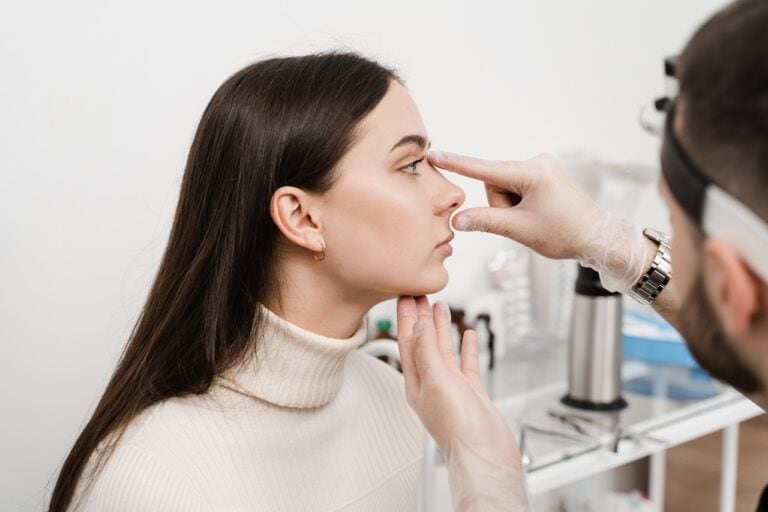
During your consultation, expect a focused discussion about your desired nose shape. Bring photos that show what appeals to you. Our surgeon examines your nasal structure, comparing it with your facial proportions, chin, and cheekbones.
Medical history matters as well, so we ask about allergies, nasal injuries, and previous surgeries. Computer imaging may help visualize possible outcomes, though we always explain that exact results depend on unique healing and anatomy.
We encourage you to ask as many questions as you need. You will leave your consultation with a clear understanding of risks, benefits, and the realities of recovery.
Techniques Used in Button Nose Rhinoplasty
There are several surgical methods our team considers for this type of rhinoplasty. The precise option always depends on your unique features and goals.
Open vs. Closed Rhinoplasty
Button nose rhinoplasty can be performed with either open or closed rhinoplasty techniques.
With the open approach, our surgeon makes a small incision across the narrow strip of skin between the nostrils. This allows complete access to the nasal tip structures, making it easier to finely sculpt cartilage and achieve an accurate shape.
With the closed method, all incisions remain inside the nostrils. This approach means no visible scars and shorter healing times. However, it gives our surgeon less control over fine details, which can be a drawback for complex cases.
Key Surgical Steps
- Reshaping Tip Cartilage: Usually, cartilage at the tip must be reduced, reshaped, or sutured into a firmer and more rounded form.
- Trimming Soft Tissues: Occasionally, our doctor may remove excess soft tissue under the skin to avoid a bulbous effect.
- Subtle Tip Rotation: Some patients benefit from a slight rotation of the tip upward to achieve the “button” look.
- Bridge Work: If needed, our surgeon trims down bumps or straightens the bridge for better overall balance.
Each modification is measured and artistic. Our surgical team never removes more tissue than needed, which preserves healthy breathing and structural support. People with thicker nasal skin or a wide nose often need special methods to ensure the underlying changes remain visible after healing.
Step-by-Step: What Happens on Surgery Day
If you decide to move forward, knowing what to expect on your procedure day can ease nerves. The steps usually proceed in a predictable, safe sequence at our Long Island facility.
- Preoperative Preparation: Our care team reviews your records, verifies fasting instructions, and answers last-minute questions. Anesthesia options are explained, with general anesthesia being most common.
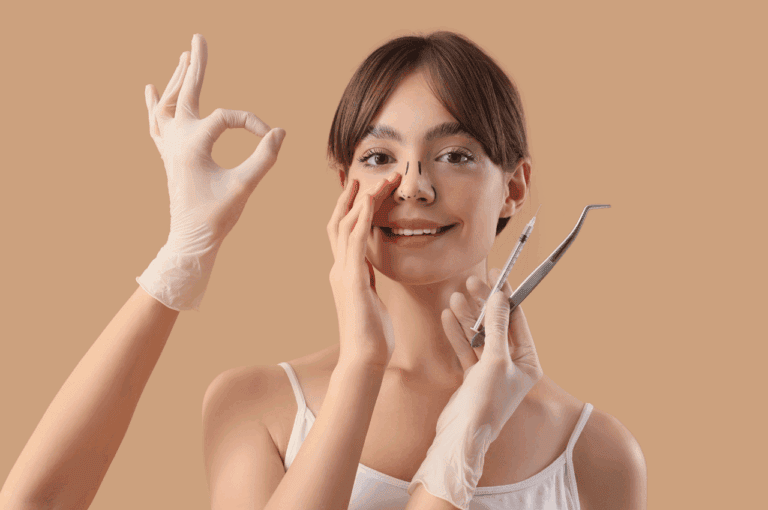
- Marking and Planning: Our surgeon carefully marks the nose based on your goals. Final checks ensure all plans align with your expectations.
- Administering Anesthesia: An anesthesiologist ensures your comfort and monitors your vital signs throughout the procedure.
- Performing Surgery: The surgeon makes precise incisions and works through the surgical steps discussed above. Meticulous technique helps minimize swelling and bruising.
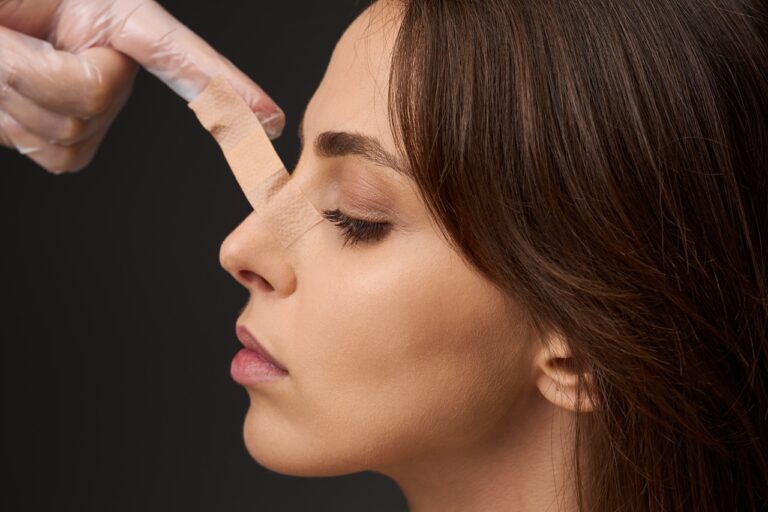
- Closing and Dressing: After reshaping the cartilage and tissues, our doctor closes all incisions with tiny sutures. A splint or cast helps support the new shape.
- Recovery Room Monitoring: Nurses provide gentle care while the anesthesia wears off. Our team gives you very detailed recovery instructions and a contact number for concerns.
Surgery usually takes between one and three hours. Most patients go home the same day with an escort.
Recovery and Aftercare
Healing after button nose rhinoplasty takes time, but most people see encouraging progress within the first few weeks.
Common Recovery Milestones
- The first few days often include swelling, mild discomfort, and stuffiness. This is normal and manageable with medication and cold compresses.
- After one week, our doctor usually removes your nasal splint or cast. Swelling will linger, but you may feel more comfortable returning to gentle activities.
- Within two weeks, much of the initial bruising and puffiness subsides. You can usually go back to school or work without drawing attention.
- Final results reveal themselves gradually over several months. It can take up to a year for subtle swelling, especially at the tip, to resolve completely.
Our team monitors your healing progress with scheduled follow-ups and remains available for all questions. Proper rhinoplasty aftercare, including avoiding strenuous exercise, not blowing your nose, and following hygiene rules, helps ensure the best outcome.

Potential Risks and Complications
No surgery is risk-free, though our track record at Rhinoplasty Center of Long Island is excellent. We believe that informed patients make the best choices, so we explain possible complications openly.
Common Risks Explained
- Infection: Rare but possible. Careful hygiene and antibiotics help keep this risk very low.
- Bleeding: Mild bleeding sometimes occurs, especially in the first day or two. Managing blood pressure and following aftercare rules are important.
- Scarring: For open procedures, the small external scar usually heals inconspicuously. Internal scarring can affect breathing if it develops abnormally.
- Asymmetry or Dissatisfaction: Subtle unevenness or shape differences may be visible, particularly if the healing process is unpredictable. Revision surgery can address major concerns, though most people are satisfied after the first operation.
- Breathing Problems: Over-correction can lead to narrowed airways. Our surgeon avoids this by preserving enough cartilage and internal support.
We believe that a well-informed patient and experienced surgeon form the best partnership for safety.
Longevity and Results of Button Nose Rhinoplasty
Button nose rhinoplasty creates refined and attractive changes, but many people plan for long-term satisfaction.
How Results Change Over Time
Your new button nose will look most dramatic in the first year after surgery as swelling settles. Changes usually last for decades since cartilage does not usually revert to its old shape. However, natural aging and skin changes can still influence minor appearance shifts as you grow older.
Patients rarely need touch-ups or revisions unless an accident or significant regret prompts another procedure. Our surgeon takes every step to ensure the results feel natural and blend seamlessly with your face for years to come.
Weighing Benefits and Drawbacks of Button Nose Rhinoplasty
Taking time to consider the upsides and potential negatives of this surgery sets realistic expectations. Our practice wants every patient to feel informed and comfortable.
Benefits
- Increased Confidence: For many, a softer and more balanced nose shape leads to greater daily self-confidence.
- Custom Results: Button nose rhinoplasty adapts to your facial features and wishes, rather than producing a generic look.
- Lasting Change: Results usually last a lifetime with proper care.
Drawbacks
- Swelling and Recovery: Healing can take several months, especially at the nasal tip.
- Risk of Dissatisfaction: Changes remain permanent, so it helps to make sure you feel committed to your new look.
- Possible Need for Revision: Rarely, a secondary procedure may help address small irregularities or unexpected scarring.
Knowing these points helps you make an empowered and thoughtful decision.
Choosing the Right Rhinoplasty Surgeon
Selecting a surgeon is the single most crucial part of the button nose rhinoplasty process. Our team at the Rhinoplasty Center of Long Island encourages you to research credentials, view before-and-after photos, and discuss your hopes in detail.
Experience with tip refinement, as well as a deep understanding of facial harmony, makes a significant difference. Pre-surgical conversations help us confirm not just your physical readiness but your emotional confidence as well.
Trust, clear communication, and artistic ability all contribute to successful rhinoplasty results.
Planning Your First Visit at Rhinoplasty Center of Long Island
If you feel ready to consider button nose rhinoplasty, the next step involves meeting with our experienced surgeon for a private consultation. During your appointment, you will be guided through every part of the process, from anatomy analysis and safety screening to digital simulations of potential outcomes.
Bringing a few reference photos can help our doctor better understand your aesthetic preferences. We always take the time to explain options, limits, risks, and possible benefits in plain, supportive language.
Scheduling a consultation does not require any firm commitment, but it will provide valuable insight and peace of mind. We encourage our patients to reflect on their goals and voice any lingering concerns before taking the next step.

Frequently Asked Questions about Button Nose Rhinoplasty
Many people want reassurance before scheduling their first rhinoplasty visit. These are a few of the most common questions our team answers.
A Soft and Confident Future with Button Nose Rhinoplasty
Choosing button nose rhinoplasty represents a personal and sometimes life-enhancing decision. Our surgeon at the Rhinoplasty Center of Long Island tailors every aspect of your care, from the initial meeting through the final follow-up, to suit your wishes and needs.
You set yourself up for a safe surgery and beautiful results when you grasp both the artistry and the science behind this procedure. Our team stands ready to support you with honest advice, skilled hands, and encouragement at every stage of your journey.
For those dreaming of a button nose that feels right for their unique face, we invite you to reach out to Rhinoplasty Center of Long Island to book a consultation. You will receive thoughtful guidance so you can make a confident, informed decision about your appearance and well-being.