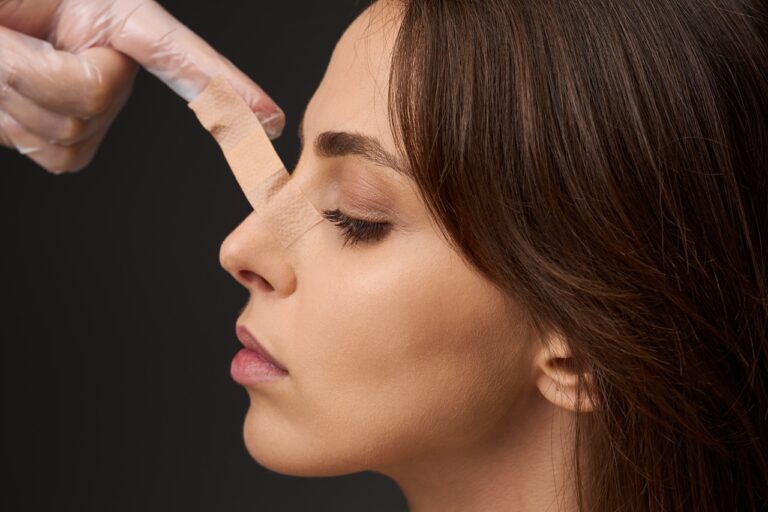
Rhinoplasty is a major decision that brings both excitement and a bit of uncertainty. For many people, one of the most unexpected concerns comes down to something simple: when can you wear glasses again after your nose surgery?
We often meet patients at Rhinoplasty Center of Long Island who need reliable answers about returning to their normal routines. If you wear glasses every day, knowing how and when to safely put them back on plays an important role in your healing. The information below will explain what you need to know.
Key Takeaways

Why Glasses Matter After Rhinoplasty
Most people think only about scars or swelling after surgery, yet eyewear can truly affect the recovery process. Your nose remains very delicate right after surgery, which means that even the lightest pressure has a big impact.
The Impact of Pressure on Healing
The nasal bones and cartilages undergo changes as your nose heals. Any sustained pressure from glasses placed on your nasal bridge can shift healing structures or leave marks.
Our surgeon sees that even a short period of pressure from glasses can sometimes alter the ultimate surgical shape. The risk is higher when swelling is still present, and scar tissue is forming.
Indentations and Complications
Indentation marks or grooves are not only a cosmetic concern. If glasses press into your healing nasal bridge, this may affect cartilage position or limit blood flow, complicating healing.
Thin or thick frames can both create issues if they contact the most vulnerable areas of the nose. This is why our surgical team gives tailored instructions based on your unique surgery.
The Usual Timeline for Wearing Glasses Again
You likely want an exact answer: when is it truly safe? Every nose is different, but we follow certain rhythms based on healing stages.
Key Milestones in Recovery
Our surgeon at the Rhinoplasty Center of Long Island typically uses these post-op phases:
- First Week: The nose will be covered by a splint or dressing for stabilization. Glasses do not go directly onto the nose during this phase.
- Weeks Two to Four: The splint comes off. While swelling improves, the nasal bones and cartilage have not fully set. Glasses worn now may cause indentations.
- Weeks Four to Six: By this stage, bone and cartilage strength improves. Light, non-pressing eyewear placed above the nasal bridge may be considered for certain patients with surgeon approval.
- After Six Weeks: Most patients can slowly return to wearing standard glasses. However, wait for the all-clear from your provider. Full cartilage and bone healing can take longer.
Keep in mind that healing progresses at different speeds for every patient. As a crucial part of your rhinoplasty aftercare, always get a personalized recommendation from your surgeon before making changes to your eyewear habits to avoid putting premature pressure on the nasal bones.
Methods to Protect Your Nose If You Need Glasses
Some people simply cannot go without their glasses for several weeks. Our surgical team understands this challenge and helps you balance vision needs with safe healing for your nose.
Common Approaches for Glasses Wearers
Careful strategies help keep pressure off your nasal bridge:
- Use of Forehead Support: Special supports or headbands suspend the glasses frames from your forehead so the bridge never touches the nose. This reduces any chance of indentations or shape changes during healing.
- Taping Glasses to the Forehead: Patients may gently tape the frame to their forehead using hypoallergenic surgical tape. This keeps glasses in place and shields the healing nose. Ask us to demonstrate the best technique.
- Switch to Contact Lenses: If contact lenses are a viable option, most patients can use them safely within a few days to a week after surgery. Wait to switch until our doctor confirms your eyes are ready.
- Temporary Lightweight Frames: Some choose super-lightweight, rimless eyeglass frames that rest as lightly as possible on the bridge. However, all frames should avoid direct contact until the healing window passes.
Always check with our team before starting any of these approaches. You need the green light from our surgeon based on your progress.
The Reasons for Waiting: Detailed Look at Nose Healing
You may wonder why even a tiny amount of pressure can matter so much. Your nose is a complex three-dimensional structure, so proper setting of bone and cartilage creates good lasting results.
Changes in Nasal Structure After Surgery
Rhinoplasty moves, reshapes, or reinforces the bones and cartilage of your nose. The tissues soften during and right after surgery, which makes them easier to mold but also sensitive to post-surgical movement.
The healing process involves “setting”, much like casting a broken bone. Bones and cartilage need steady, uninterrupted time to stabilize before they face any pressure.
Risks of Returning to Glasses Too Early
If glasses press onto the surgical site before full healing:
- The nose shape may shift, especially if osteotomies (intentional bone breaks) have been made.
- Cartilage may develop a flattened area, even if you only wear glasses briefly.
- Persistent bruising, redness, or tender spots may develop, adding time to your recovery.
- Dense scar tissue can form, making any needed corrections more complex later.
Our approach targets both the look and function of the nose, so small steps make a difference. You can preserve your results by waiting the recommended period.

How to Tell If Your Nose Is Ready for Glasses
Many people feel fine before their nose is fully healed, so visible healing is not the only clue. Our team prefers to see every patient before green-lighting the return to regular eyewear.
Checkpoints for Readiness
While timelines help, true readiness depends on several factors:
- Swelling has gone down, with the bridge looking and feeling stable.
- No bruising or redness remains where glasses would contact your nose.
- Tissues feel firm but not hard, without deep tenderness or pain.
- Our surgeon has examined your nose and approved direct contact with glasses.
Never guess or self-diagnose. Attending your scheduled follow-ups means our team can guide each step.
What To Do If Wearing Glasses Is Unavoidable
Certain people, especially those who rely on prescription eyewear for daily function, have no option but to wear glasses. Some helpful practices minimize risk.
Tips for Minimizing Risk When Glasses Cannot Be Avoided
If skipping glasses entirely is not possible, you should:
- Limit Wear Time: Wear glasses only when absolutely necessary. Use them for reading, driving, or essential tasks instead of continuous wear.
- Remove Glasses Frequently: Take breaks every hour to relieve the nasal bridge. Set reminders if needed to stay consistent.
- Choose Soft Pads or Bridge Guards: Ask your optician to use soft, silicone bridge pads for your frames, which reduce pressure when contact is necessary.
- Watch for Early Signs of Trouble: Check your nose daily for indentations or persistent redness, then update us if issues appear.
Following these techniques can make a difference while still protecting your rhinoplasty results.
Visiting Our Office for Glasses Advice
Patients occasionally feel unsure about returning to their original eyewear routine. Our Long Island-based doctor or a member of our surgical team is always available to give in-person guidance.
When to Schedule an Examination
Schedule a special visit if you notice:
- Painless but obvious indentation marks that last for more than a few hours after removing glasses.
- New or spreading redness over the bridge, especially if you see pus or swelling.
- Any change in the position or shape of your nose after wearing glasses.
Our doctor encourages quick communication if you see issues. This gives us a chance to prevent changes that can affect final results.
What If You Wear Sunglasses After Rhinoplasty?
Sunglasses are heavier than regular prescription frames, so you should practice even greater caution with them. Most rhinoplasty patients in Long Island can return to light sunglasses only when our doctor approves, usually after six weeks.
Special Circumstances: Sports Goggles and Safety Glasses
Patients who use sports goggles, safety glasses, or related equipment should follow the same restrictions as those with regular eyewear. These devices often require a snug fit, so do not wear them until cleared by our surgeon.
You can ask about custom padding or forehead suspension systems to support these specialized glasses during your healing period.
Answers to Common Questions About Eyewear After Nose Surgery
Knowing what to expect can help you feel prepared and confident.
If you have personal concerns or questions about our rhinoplasty services, reach out to the Rhinoplasty Center of Long Island. Our doctor values your comfort and recovery.
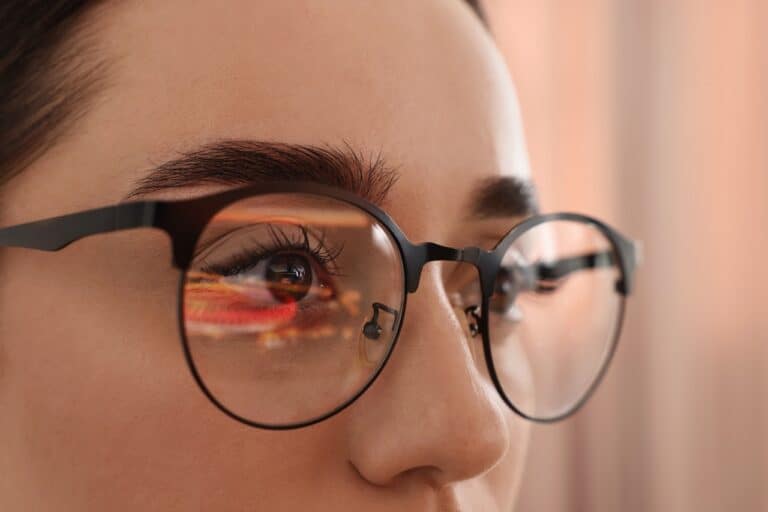
Protecting Your Rhinoplasty Results After Surgery
Your comfort and satisfaction depend on careful handling during healing. Glasses are an important detail that often goes unnoticed, but they play a major role in shaping final results.
Following our doctor’s instructions on eyewear gives your healing nose the support and time it needs to look its best. Most patients return to their normal glasses routine after just a few weeks of care and patience.
If you want to discuss your rhinoplasty recovery or need help managing your glasses, our team at the Rhinoplasty Center of Long Island looks forward to helping you. Contact us to schedule your follow-up or a consultation. You will receive dedicated guidance every step of the way.