Rhinoplasty can dramatically change the shape of your nose, and it also improves breathing for many patients. If you have ever looked in the mirror months after surgery and wondered if your nose still feels different, you may find yourself asking if cartilage can actually move after rhinoplasty.
At the Rhinoplasty Center of Long Island, our surgical team often helps patients understand what happens to the nose after surgery. Learning how cartilage behaves following rhinoplasty can ease worries and help you get the most from your results. Let’s dive into everything you should know about cartilage movement following rhinoplasty and what to expect throughout your healing process.
Key Takeaways
Nasal Cartilage and Its Role in Rhinoplasty
Nasal cartilage acts as the main support system for the shape and function of your nose. This firm but flexible tissue creates your nasal tip, the nostrils, and the bridge.
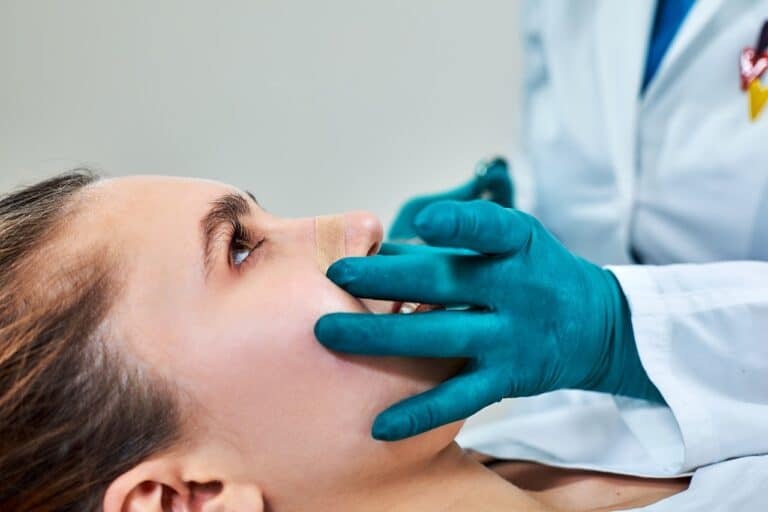
The framework of cartilage works with bone and soft tissue to form the nose’s appearance and its internal breathing passages. During rhinoplasty, our surgeon refines or repositions cartilage to create a new nasal contour or correct functional problems.
Types of Nasal Cartilage
The nose contains three main types of cartilage. Our team works with all of these during rhinoplasty, depending on your goals.
- Septal Cartilage: This central piece divides the nose into left and right airways, providing much of the nose’s foundation.
- Upper Lateral Cartilages: These pieces flank the septum on each side and help define the shape of the bridge.
- Lower Lateral Cartilages (Alar Cartilages): These control the shape and support of the nostrils and nasal tip.
Each type can play a role in the changes our surgeon makes during your rhinoplasty procedure.
How Surgeons Shape Cartilage
Our surgical team uses precise techniques to reshape, add, or reduce cartilage to reach your desired look. Sometimes, we may graft cartilage from your septum, ear, or rib.
The new shape of the nose relies on the cartilage stabilizing and healing exactly as our surgeon intended. For this reason, careful placement and support of cartilage during surgery is crucial.
What Actually Happens to Cartilage After Rhinoplasty?
Many patients worry about cartilage “moving around” as their nose heals after rhinoplasty. It helps to know what actually happens to nasal cartilage in the weeks and months after surgery.
The Early Healing Phase
During the first week or two after rhinoplasty, tissues remain soft and delicate. Swelling and bruising can change how your nose looks and feels, even before the final result emerges.
Cartilage relies on internal stitches, splints, and your own skin tissues to stabilize in its new position. You may notice slight fluctuations in shape as swelling subsides and scar tissue forms.
Scar Formation and Remodeling
As healing progresses, scar tissue forms around and between cartilage segments. This process strengthens cartilage placement, which limits movement.
Scar tissue remodeling, which continues for months, helps “lock in” the nose’s new shape. Throughout this time, minor shifts in contour are normal, but dramatic changes are rare.
Long-Term Stability
By 6 to 12 months after surgery, the nose reaches its new stable shape. Cartilage that was moved or reshaped during surgery becomes fixed and is unlikely to move further, as long as the nose receives proper protection from trauma.
Patients may notice some continued subtle changes as scar tissue softens, but the overall contour settles.
Why Cartilage May Move After Rhinoplasty
Patients sometimes notice changes in their nose after surgery and wonder if the cartilage has moved. True cartilage movement after rhinoplasty is uncommon, but a few factors can make it seem like the cartilage has shifted.
Common Causes of Perceived or Actual Movement
Several factors can contribute to either real or apparent changes in nasal cartilage position after surgery.
- Swelling Reduction: As swelling goes down, underlying structures appear different, which sometimes gives the impression of shifting cartilage.
- Scar Tissue Maturation: Scar tissue changes texture and density over several months, which can adjust nasal contours slightly.
- Graft Absorption or Warping: Rarely, small cartilage grafts might shift or become absorbed by the body. This can create bumps or indentations.
- Trauma or Injury: A direct force or injury to the nose before healing finishes sometimes causes cartilage to shift out of its intended place.
- Surgical Technique: In rare cases, inadequate internal support or poor healing can lead to cartilage movement.
Most patients experience minor changes during healing, but significant movement months after surgery usually indicates a complication or trauma.
Differentiating True Movement From Normal Changes
Patients sometimes notice asymmetry or mild bumps as swelling decreases. This does not always mean cartilage has moved.
It’s important to monitor for sudden, persistent changes, discomfort, or clear deformities. In such cases, scheduling an evaluation with our doctor at our Long Island office helps address concerns.
How to Minimize the Risk of Cartilage Movement
Patients play an important role in stabilizing cartilage after rhinoplasty. At the Rhinoplasty Center of Long Island, our team always gives detailed aftercare instructions to help you achieve a safe, predictable recovery.
Immediate Post-Operative Best Practices
Our surgeon often recommends careful steps during the early phase of healing. These habits help protect the cartilage and keep your results on track.
- Wear the Splint Exactly as Directed: The splint or cast holds the cartilage and bone steady while tissues recover. Removing it early increases the risk of shifts.
- Avoid Trauma: Even light bumps, rubbing, or strong pressure can disrupt healing cartilage. Sleep on your back, keep children and pets away from your face, and avoid heavy glasses.
- Follow Medication Guidance: Take anti-inflammatory medicine, antibiotics, or pain medication as our surgeon prescribes. This reduces swelling and the risk of complications.
- Keep the Nose Clean and Dry: Moisture and bacteria can interfere with wound healing, so avoid getting the splint or incisions wet.
Making wise choices in the first two weeks after surgery gives your cartilage the best chance to stay in its place.
Avoiding Activities That Could Disrupt Healing
As you continue recovering, ongoing habits also help protect cartilage placement.
- Pause Strenuous Exercise: Activities that raise blood pressure or risk bumping your nose increase the chances of injury.
- Hold off on Wearing Glasses: Glasses resting on the bridge apply direct pressure to healing cartilage. Use tape or cheek supports as our team instructs.
- Skip Contact Sports: Wait until your doctor confirms that your nose has fully healed before returning to sports or physical activities that put your nose at risk.
Patients who listen to aftercare advice decrease their chances of experiencing post-op cartilage movement.

Signs of Cartilage Shifting: What to Watch For
Knowing what’s normal and what might signal a concern can help you feel confident during recovery. Most patients experience some swelling, numbness, and mild irregularities early on, which fade over time.
Here are some warning signs that may suggest cartilage has moved or that another issue needs attention:
- Sudden Change in Nasal Shape: If your nose dramatically changes size, angles, or overall appearance, call our practice right away.
- Bumps or Indentations: New lumps, hollows, or asymmetry that appear after the first few weeks may indicate cartilage has shifted or scar tissue has formed unexpectedly.
- Ongoing Pain or Redness: Persistent pain, redness, or warmth may mean infection or an inflammatory process, both of which can impact healing cartilage.
- Difficulty Breathing: If your airflow worsens after initial swelling resolves, internal cartilage support may have weakened.
If you have any of these symptoms, scheduling a visit with our doctor at the Rhinoplasty Center of Long Island helps us keep your recovery on track.
How Our Surgeon Prevents Cartilage Movement During Rhinoplasty
Our surgical team approaches every rhinoplasty service with a focus on long-term stability. Highly trained skills and advanced techniques reduce the risk of post-op cartilage movement.
Cartilage Stabilization Methods
Our surgeon uses various strategies during each rhinoplasty to lock cartilage into place.
- Precise Suturing: Delicate stitches hold cartilage segments together, providing strong reinforcement for new shapes and angles.
- Supportive Grafting: When extra strength is needed, our doctor places cartilage grafts taken from your septum, ear, or rib. These provide critical support for weakened or rebuilt areas.
- Internal Splints: Sometimes, our team inserts temporary splints inside the nose to prevent cartilage collapse and maintain airway shape during healing.
Advanced Techniques for Different Nose Types
Patients with thinner skin, prior injuries, or revision surgery often require special techniques to prevent post-op cartilage movement.
Our surgeon adapts each approach based on your unique anatomy and history, carefully customizing support for every patient. This level of personalization at our Long Island practice helps protect your rhinoplasty result for years to come.
What to Expect if Cartilage Does Shift After Rhinoplasty
Although rare, cartilage movement may require additional treatment. Managing concerns early ensures the best possible outcome.
Evaluation and Diagnosis
If you notice new changes in your nose after healing has started, our team typically recommends an in-person exam. Our surgeon checks for shifts, infections, scar build-up, or other unexpected changes.
Imaging or photographs from before and after surgery can help pinpoint what happened.
Revision Procedures
Sometimes, our surgeon can correct minor cartilage shifts with a simple in-office adjustment or injection of medication into scar tissue. For larger changes, revision rhinoplasty may be necessary.
Patients should wait six to twelve months before considering revision, as swelling and tissue remodeling need to finish. Our doctor always develops a safe, personalized plan for each case.
Emotional Impact and Support
Concerns about nasal appearance can feel stressful. Our staff supports patients every step of the way and helps address worries as they arise.
Open communication with our team makes the recovery journey smoother and gives you peace of mind.
How Long Does Cartilage Take to Fully Stabilize?
Healing after rhinoplasty occurs over several stages. While most swelling and bruising improve after two weeks, the internal process takes much longer.
The cartilage, scar tissue, and skin continue to shift and stabilize for 6 to 12 months. Bracing cartilage with scar tissue in the early phase makes the result fairly stable.
Over the first year, patients usually see further refinement in the nose’s shape. Changes become much more gradual as healing finishes.
By the end of year one, cartilage reaches its final, fixed position. Once this occurs, movement becomes highly unlikely unless the nose faces new trauma.
When to Contact Our Office
Time is vital if you suspect a problem with your nose after rhinoplasty. Patients should always feel comfortable calling or visiting our office for peace of mind.
Here are key situations when an appointment is important:
- Noticeable deformity or sudden shift in nose shape after initial healing
- New or worsening obstruction to breathing through the nose
- Signs of infection, such as redness, heat, or persistent pain
Prompt evaluation by our surgical team at the Rhinoplasty Center of Long Island allows the best chance for a positive, lasting result.
Control Your Rhinoplasty Results With Knowledge and Expert Care
Trusting your rhinoplasty to a skilled team means caring for both your appearance and the function of your nose. You safeguard your final nasal shape and prevent unwanted movement once you know how cartilage heals and how to protect your nose.
Every patient’s body heals at its own pace, and some minor changes over the first year are normal. Staying in touch with our office and attending all post-operative appointments helps our surgeon ensure your nose looks and feels its best long-term.
If you feel concerned about your rhinoplasty recovery or want to learn more about the process, reach out to the Rhinoplasty Center of Long Island today. Our team is here to support you at every step of your healing journey and provide clear answers to all your questions.