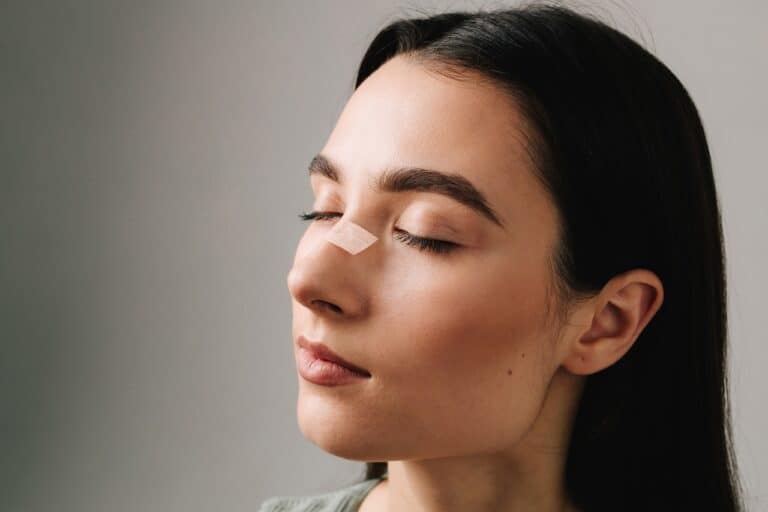
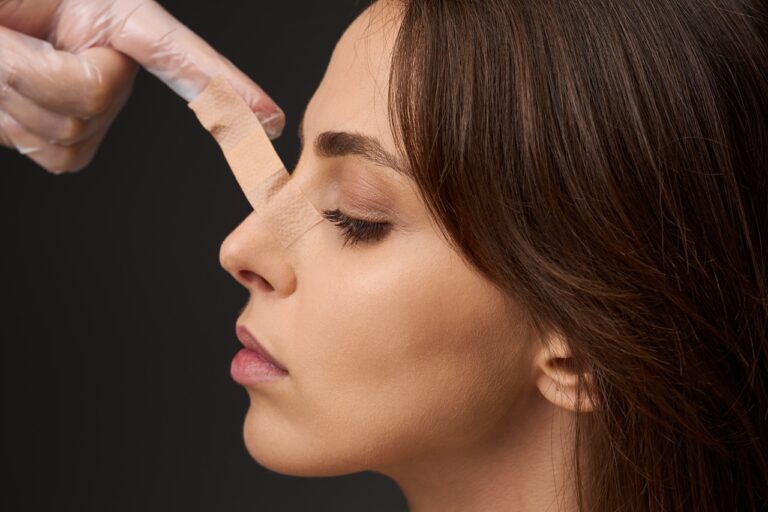
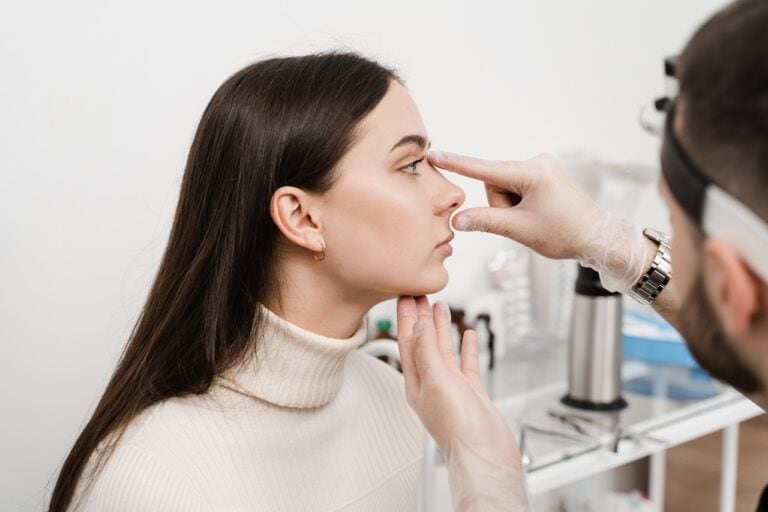
At the Rhinoplasty Center of Long Island, we understand that sleep is not usually the first thing people think about after a nose surgery. Yet, the way you sleep can make a big difference in how well your healing goes after rhinoplasty and how quickly you see the results you want.
For most patients, adjusting sleep habits during recovery feels challenging at first. Our surgeon has guided many individuals through this process, and we want you to have a smooth, comfortable experience every step of the way. The rest of this article shares exactly what you need to know about how to sleep well and safely after your nose procedure.
Key Takeaways

Why Sleep Position Matters After Rhinoplasty
Correct sleep positioning makes a larger impact on surgical recovery than many expect. The nose remains vulnerable for weeks after rhinoplasty, and careless sleep positions increase the chances of injury.
Our surgeon always explains that putting pressure on a healing nose, especially in the first crucial weeks, can hinder blood flow, raise swelling, and even shift or damage surgical results. Sleeping on your side or stomach risks bumping your new nose or disturbing the delicate healing tissues.
Elevating your head and lying on your back allows gravity to help control swelling and fluid buildup. This position also keeps the nasal structures safe from unintentional knocks during the night. Patients who follow these guidelines tend to see quicker improvements and experience fewer complications.
The First Few Nights: What to Expect
Gentle discomfort is common in the first week as your body heals. Swelling and congestion may feel worse right before bedtime, which sometimes disrupts normal sleep patterns. Following clear guidelines in these early days is especially important as the nose is at its most fragile.
Best Sleep Positions After Rhinoplasty
Choosing the right sleep position is a crucial part of rhinoplasty aftercare, as sleeping elevated on your back helps your nose maintain its shape and allows swelling to go down more efficiently.
Sleeping on Your Back with Head Elevated
Everyone should sleep on their back, keeping the head propped up at a 30–45 degree angle. Our surgeon at the Rhinoplasty Center of Long Island recommends using two or three firm pillows or a wedge pillow to make this easier. This technique reduces blood pressure in facial veins, which lowers pain and puffiness.
Preventing Rolling During Sleep
Most people unintentionally roll during the night. Consider surrounding yourself with pillows on both sides of your body. You may also place a small pillow under your knees to keep your body stable and discourage shifting.
Why Side or Stomach Positions Cause Problems
Lying on your side puts subtle but harmful pressure on the nose. Even soft pillows or your hands resting near your face can affect symmetry and slow your progress. Stomach sleeping is even riskier, making it nearly impossible to avoid compressing the nose during deep sleep.
Step-by-Step Guide: Setting Up for Safe Sleep
It is easy to overlook your sleep setup. A few simple changes to your sleeping area can help protect your results and ensure deep, restful sleep. Before you go to bed for the night, check your arrangements as described below.
Sleep Prep Checklist
Here is a quick guide to preparing your sleep space after rhinoplasty:
- Clean sheets and bedding: Fresh linens limit dust and allergens, lowering the risk of infection.
- Wedge or extra firm pillows: Stack these to keep your head elevated and your nose secure.
- Pillow barriers: Place pillows or rolled towels along your sides to prevent rolling onto your side.
- Clear path to bathroom: Remove hazards near your bed since you may feel groggy after medication.
- Cool temperature and low light: Keep your room dark and cool for better sleep.
- Loose, comfortable sleepwear: Tight or high-collared pajamas can create unwanted pressure on bandages or splints.
Simple setups like these let you focus on rest and give your body the environment it needs to heal properly.
How Long to Maintain Special Sleep Positions
Most patients ask how long they will need to sleep sitting up or protect their nasal region.
During the first 6 weeks, nasal cartilage after rhinoplasty, along with bone and internal sutures, remains especially delicate. As a general guideline, our surgeon recommends sleeping on your back with your head elevated for at least 2 to 3 weeks. In some cases, gentle back sleeping without elevation may become safe after the third week, once major swelling goes down.
Always check at your post-operative visits before returning to your usual sleeping habits. Even when you start feeling back to normal, the inside of your nose may still be healing.
Common Challenges and Practical Solutions
Many people struggle with changes to their routines during recovery, especially sleep habits. Sleep disruption can arise from discomfort, anxiety about injuring the nose, or trouble breathing due to swelling.
Proven Tips for Better Sleep After Nose Surgery
The following strategies often help our Long Island patients rest easier.
- Stick to a bedtime routine: Go to sleep and wake at the same time each day to create a calming routine.
- Limit screens: Turn off phones and televisions 30 to 60 minutes before bed to help your mind settle.
- Use a humidifier: Clean, moist air prevents dryness and soothes nasal passages if you experience crusting.
- Elevate your head with intention: Adjust your stack of pillows if you feel your body sliding downward during the night.
- Play calming music: Soft sounds in the background may distract from discomfort and help with relaxation.
- Ask for support: If possible, arrange for someone to assist you with getting in and out of bed during the first few days.
Most patients find these changes easier to make than they expected. If sleep troubles persist or become overwhelming, our staff can recommend additional solutions.
Sleep Aids and Medications: What to Know
Sleep disturbances sometimes prompt patients to reach for medication or supplements. At the Rhinoplasty Center of Long Island, we always advise you to consult our surgical team before using any sleep aid after your rhinoplasty.
Nasal congestion from swelling can make it harder to breathe through your nose, which sometimes disrupts sleep. Mild pain medications, prescribed as needed by our surgeon, can take the edge off at bedtime. Some patients use oral antihistamines for temporary relief, but you should avoid decongestants unless we have approved them.
Natural sleep supplements, such as melatonin, can help some people drift off. However, individualized advice is important. Over-the-counter remedies sometimes interact with prescription pain medicines and anesthesia still in your system.
Every situation is different, and our office can help answer specific questions about safe medicine options.
Cleaning, Comfort, and Bedroom Environment
A clean, comfortable sleeping space promotes healing and helps you avoid unnecessary risks.
Keeping Bedding and Pillows Clean
Wash all pillowcases, sheets, and face towels before your nose surgery, and continue changing them every few days during recovery. Clean linens prevent infection by minimizing dust mites and bacteria. Hypoallergenic covers may prove worth the investment, especially if you are sensitive to allergens or have a history of sinus problems.
Controlling Air Quality and Humidity
Good air quality makes a noticeable difference for many patients after rhinoplasty. Low humidity dries out surgical sites and causes extra crusting inside the nose. Investing in a humidifier and cleaning it regularly keeps indoor air moist, which soothes tissue and prevents nosebleeds.
Temperature also plays a role. Cooler bedroom air helps some patients relax and keeps rhinoplasty swelling down, but make sure you are warm enough to stay comfortable all night.
Room Organization Tips
Create a clutter-free zone around your bed to reduce tripping hazards. Stash medications, tissues, bottled water, and your phone within easy reach. With less clutter, you will be able to move comfortably, especially if you wake up during the night.
What to Do If You Accidentally Roll or Bump Your Nose
Mistakes happen, especially if you naturally move at night. If you wake and discover you have shifted positions, try not to panic. Most minor incidents will not undo your results.
If you notice fresh bleeding, severe pain, or clear fluid leaking from your nose, contact our office right away. Otherwise, return to your safe sleep position and keep using the extra support pillows. Our doctor will check your healing at each follow-up to make sure everything is on track.
When to Resume Normal Sleep Habits
Every patient’s healing timeline is unique. Most people return to regular sleep positions within four to six weeks, sometimes earlier for less involved surgery. Our doctor will give you the green light when it is safe to sleep on your side or stomach again.
Never rush this step, even if you feel back to normal. Letting your body fully recover gives you the best possible outcome and protects against complications or the need for revision work.
Signs of Trouble While Sleeping
Although most people heal without incident, you should watch for any signs that suggest a problem with your recovery. It is important to address these issues quickly, as they sometimes signal problems that need medical attention.
Warning Signs to Watch Out For
- Heavy, persistent bleeding: Bright red bleeding that does not stop after gentle pressure is not normal and needs immediate care.
- Intense pain: Sudden or severe pain that interrupts sleep may reflect a complication and should be reported to our office.
- Swelling that worsens overnight: Rapidly increased puffiness or visible shifting of the nose should be checked as soon as possible.
- Fever or chills: Signs of infection during recovery warrant prompt attention.
- Difficult or noisy breathing: Unusual breathing patterns after surgery deserve a call to our team for further advice.
If you notice any of these issues, contact our Long Island office for guidance and support. Quick action keeps you on track for a safe, smooth recovery.
Frequently Asked Questions About Post-Rhinoplasty Sleep
We hear many sleep-related questions from patients recovering from rhinoplasty, and it is perfectly normal to feel unsure during this stage. Here, we answer some of the most common concerns.

Making Safe, Restful Sleep Part of Your Rhinoplasty Recovery
Following rhinoplasty, sleep matters just as much as your doctor’s technical skill or your follow-up care routine. At the Rhinoplasty Center of Long Island, we have seen that patients who carefully follow sleep guidelines often enjoy easier recoveries and more satisfying results.
Adjusting your bedtime habits can feel challenging in the beginning, but these changes are temporary and always in your best interest. Our team takes pride in preparing patients with detailed aftercare advice and personalized support, helping you feel comfortable and confident during every phase of your healing.
If you are considering nose surgery or have questions about the recovery process, speak with our caring staff or our surgical team. We encourage you to contact the Rhinoplasty Center of Long Island to schedule a consultation and get answers tailored to your goals. Your safest, smoothest rhinoplasty recovery begins long before you even close your eyes for the night.