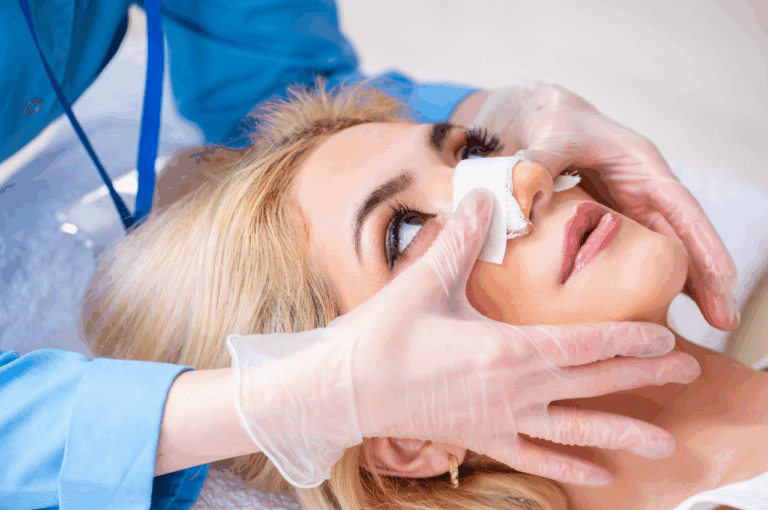
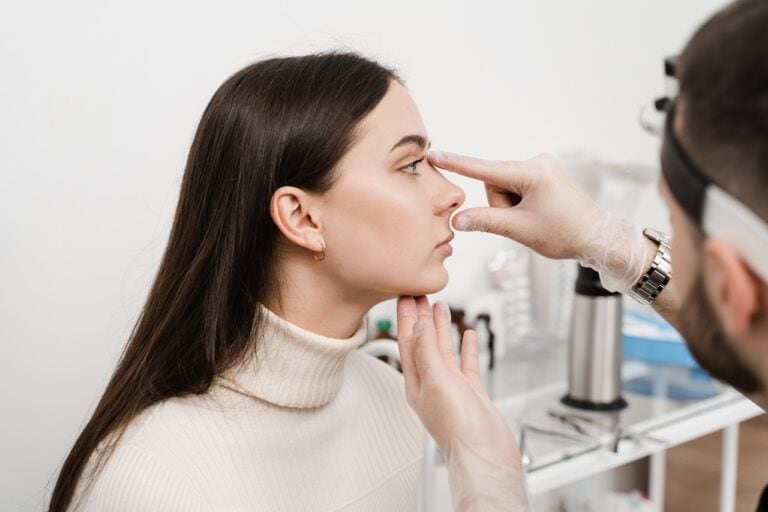
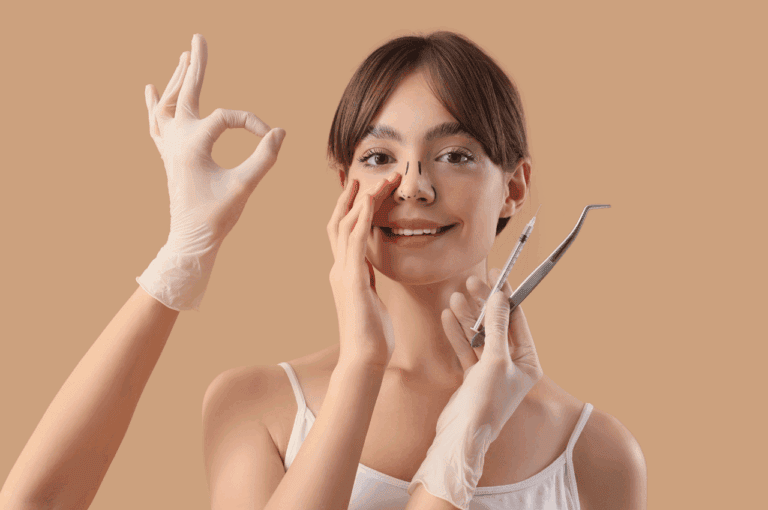
Recovering from rhinoplasty can feel like a big step in your personal transformation. You want to look and feel your best as quickly and safely as possible, which is why swelling reduction is a common concern.
At the Rhinoplasty Center of Long Island, our team provides clear, proven guidance to make your healing process easier. Clear strategies for minimizing swelling help you recover faster and enjoy your new look sooner. This article covers exactly what you need to know to support your recovery.
Next, let us walk you through the essential tips, facts, and guidelines for reducing swelling after rhinoplasty.
Key Takeaways
What Causes Swelling After Rhinoplasty?
Rhinoplasty is a surgical procedure that naturally leads to swelling because of tissue manipulation. This reaction is your body’s protective way of healing after surgery.
Inflammation increases fluid and blood flow to the area, which leads to swelling around your nose, eyes, and sometimes your cheeks. The physical changes made during the procedure can also disrupt tiny blood vessels, which increases fluid accumulation.
Although some swelling is unavoidable, proper care can shorten the duration and make you more comfortable. Most swelling fades quickly, while any leftover puffiness can gradually disappear over the coming months.
The Healing Timeline: When Swelling Peaks and Fades
Healing after rhinoplasty follows a predictable timeline for most patients at the Rhinoplasty Center of Long Island. Swelling is temporary, but knowing what to expect can ease concerns.
Immediate Post-Op Period (Day 1–3)
Swelling usually becomes most intense within 48 to 72 hours after surgery. You may notice puffy eyelids and a sensation of pressure. Cold compresses and elevation are especially important during this rhinoplasty swelling stage to make you more comfortable.
First Week: Visible Changes Begin
Over the first week, swelling will start to go down, and you should start to feel more comfortable. If a nasal splint is used, our surgeon usually removes it after about one week, which often brings visible changes.
Weeks 2–4: The Most Noticeable Swelling Resolves
Within the first four weeks, the majority of facial swelling improves. Minor puffiness may still come and go, especially in the afternoons or evenings.
Long-Term: Subtle Swelling Dissipates Slowly
Small pockets of swelling can last much longer, especially at the tip of the nose. These changes can take several months, with some minor swelling lingering for up to 12 months. Patience truly pays off as your final result becomes visible.
Immediate Actions to Reduce Swelling
The first few days after surgery are critical for controlling swelling and setting yourself up for a smooth recovery.
Gentle Cold Compress Use
You will benefit from gentle, indirect cold compress application in the first 48 hours. Use a soft cloth-wrapped cold pack on your cheeks or forehead, but do not place ice directly on the nose. This soothes tissue and shrinks blood vessels, which helps limit swelling.
Sleep With Your Head Elevated
Resting with your head raised on two to three pillows or a foam wedge for at least one week is the best sleep position after rhinoplasty. Elevation uses gravity to help drain fluids away from your nose and face, making swelling go down faster and more evenly.
Essential Steps for Swelling Control at Home
You play an important role in reducing swelling throughout your recovery. Following the right home care steps makes a real difference.
Key Tips for Success
Stay consistent with aftercare instructions both during the first week and as healing continues. The choices you make at home have a big impact on how quickly you look and feel better.
Main Ways to Minimize Swelling at Home
Here are the proven actions we recommend for every patient after rhinoplasty:
- Keep your head elevated: Sleep at an incline and avoid bending over, which keeps fluid from building up in your nose and face.
- Use cold compresses with care: Limit cold packs to the first 48 hours, and never place anything cold directly against your nose or surgical site.
- Avoid strenuous activity: Refrain from exercise, heavy lifting, or any activity that raises your blood pressure for at least two weeks, as this can make swelling worse.
- Do not touch or bump your nose: Handle your face with care while healing. Blowing your nose too soon can harm tissue and increase swelling.
- Eat a low-salt diet: Choose foods low in sodium to prevent your body from holding onto extra fluid, which reduces swelling naturally.
- Stay well hydrated: Drink water regularly and avoid caffeine or alcohol, which can dehydrate your system and slow healing.
Patient experiences often mirror these steps, making them the foundation for successful swelling reduction and comfort.
The Role of Diet, Vitamins, and Hydration
Your nutrition choices play a powerful role in supporting your body’s natural healing process and keeping swelling in check.
Salt and Processed Foods
Salt encourages your body to hold onto fluid, which can worsen swelling. To help reduce this, choose fresh, unprocessed foods and add as little salt as possible to your meals.
Helpful Micronutrients
Some vitamins and minerals can boost your recovery. Vitamin C helps repair tissue and fight inflammation. Zinc supports cell growth and healing. You can choose foods like citrus fruits, leafy greens, nuts, and seeds to get these nutrients.
Hydration for Healing
Drinking enough water helps remove waste and excess fluid from your body. Hydration also keeps your skin and cells healthy, which helps recovery move along more rapidly.
Plenty of patients at our Long Island office find that these simple steps with diet and fluids can make a difference in their overall comfort level and healing.
Activities and Habits That Can Delay Swelling Reduction
Certain behaviors and activities can slow down the resolution of swelling after rhinoplasty. By knowing what to avoid, you protect your results and shorten your recovery timeline.
Common Triggers for Prolonged Swelling
You can control several key habits during your healing process. Each can either promote or hinder your swelling reduction.
- Sleeping flat or facing down: Lying with your head at the same level as your heart, or sleeping on your face, can cause fluid pooling and swelling.
- Smoking or vaping: Tobacco decreases blood flow and increases inflammation, which impairs healing and prolongs puffiness.
- Picking up heavy objects: Activities that strain your body can rapidly increase pressure in your nasal blood vessels, triggering more swelling.
- Ignoring post-op care instructions: Failing to return for follow-up appointments or skipping prescribed medications can let swelling persist much longer.
Individuals who diligently avoid these habits tend to see much quicker and more predictable swelling improvement.
What to Expect With Bruising and Discoloration
Swelling often goes hand-in-hand with bruising, especially after rhinoplasty. Both typically appear around the eyes, nose, and cheeks, giving the face a “puffy” and discolored look right after surgery.
Bruising peaks in the first three days and will generally fade within 10 to 14 days. Gentle cold compresses and elevation help with this, though some slight discoloration can last a bit longer for some patients.
If any unusual pain, rapidly spreading bruises, or heat occurs, you should call your surgeon promptly. Our team always welcomes questions about what you see or feel during this period.
Long-Term Steps for Reducing Swelling: Weeks to Months
Swelling after rhinoplasty does not always vanish overnight, but ongoing, smart choices support the long-term healing process.
Tips for the Weeks and Months Ahead
You will continue to see positive changes if you keep a few key practices in mind for the first several months.
- Protect your nose from injury: Avoid contact sports and be mindful when wearing sunglasses after rhinoplasty, as pressure on the bridge or bumping your nose can restart swelling, affect your sleep posture, or disrupt overall healing.
- Limit sun exposure: The skin over your nose can become sensitive to sunlight while healing, and sunburn can make swelling and discoloration last longer.
- Massage only with surgeon guidance: Our surgeon may suggest gentle massage for specific cases, but always follow your instructions. Do not start any self-massage without a clear OK.
By staying mindful of these habits, you can support the final stages of swelling improvement and help ensure that your results meet your expectations.
When Swelling Is Not Normal: Warning Signs
While mild swelling is common, a few warning signs may point to problems that require immediate attention.
If you see any of the following, reach out to our practice without delay:
- Sudden, severe swelling: A dramatic increase in swelling after the initial healing phase can be a sign of bleeding or infection.
- Fever or chills: These can indicate an underlying infection that needs prompt medical care.
- Extreme pain or persistent redness: Ongoing or severe discomfort, especially with red, warm skin, should never be ignored.
- Clear or green fluid drainage: Any unusual or colored discharge from the nose or incisions can signal an infection.
Early communication helps our team keep your recovery on track and minimizes risks.
The Importance of Scheduled Follow-Up Visits
Follow-up appointments at our office in Long Island form a vital part of every patient’s recovery journey. These visits give our surgeon a chance to monitor your swelling, make sure the healing process is on track, and address any concerns.
We use these appointments to remove or adjust bandages, provide updated recovery instructions, and answer any questions you may have. Staying consistent with office visits means issues are caught and corrected early, which further protects your outcome.
Frequently Asked Questions About Swelling After Rhinoplasty
Many patients have similar questions about the course of swelling after nose surgery. Here is what you need to know.
Supporting a Smooth Recovery: Final Thoughts
You play an essential role in your healing journey after rhinoplasty. When you follow the proven steps and post-surgical instructions from our Long Island office, you give yourself the best chance at a safe, comfortable, and rewarding recovery.
Minimizing swelling takes a combination of smart habits, gentle care, and patience. You can speed up your progress by using cold compresses during the first 48 hours, sleeping with your head elevated, choosing a healthy diet, staying hydrated, and protecting your healing nose from injury.
Our team at the Rhinoplasty Center of Long Island cares deeply about your results and your comfort. If you have questions or would like to discuss your concerns in person, please reach out to schedule a consultation. We are here to help you enjoy the best possible outcome from your rhinoplasty procedure.