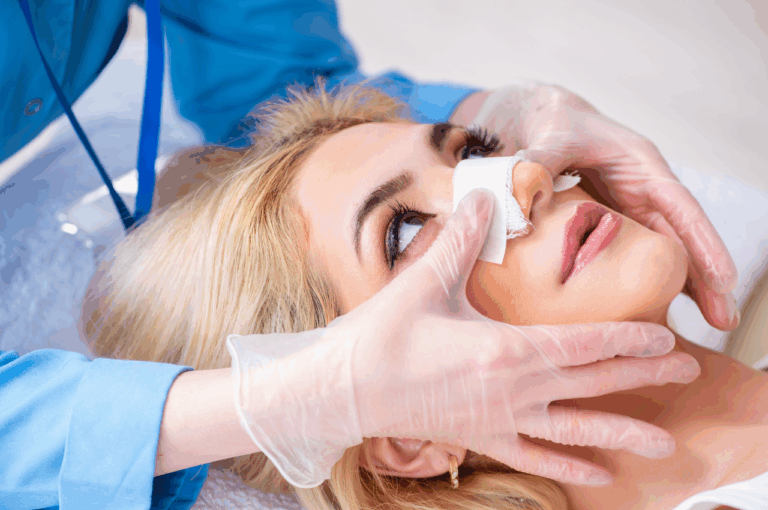
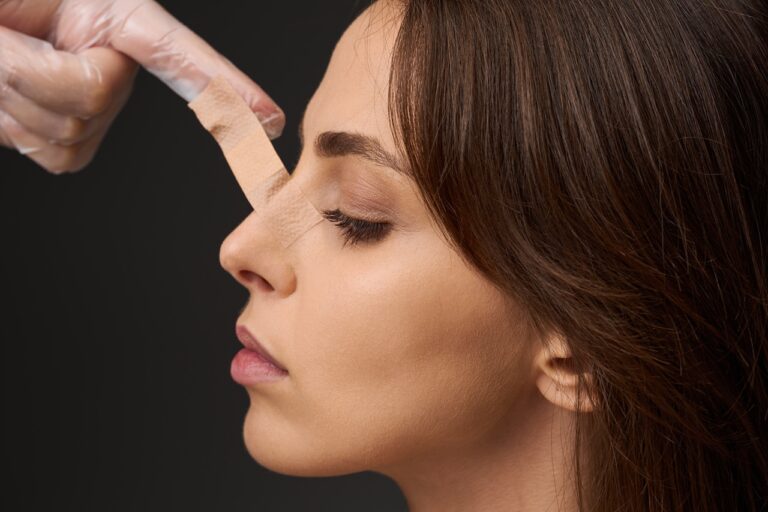
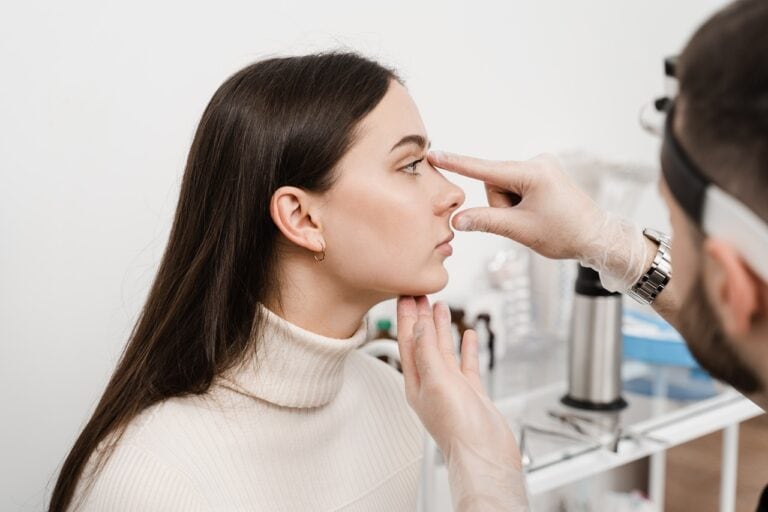
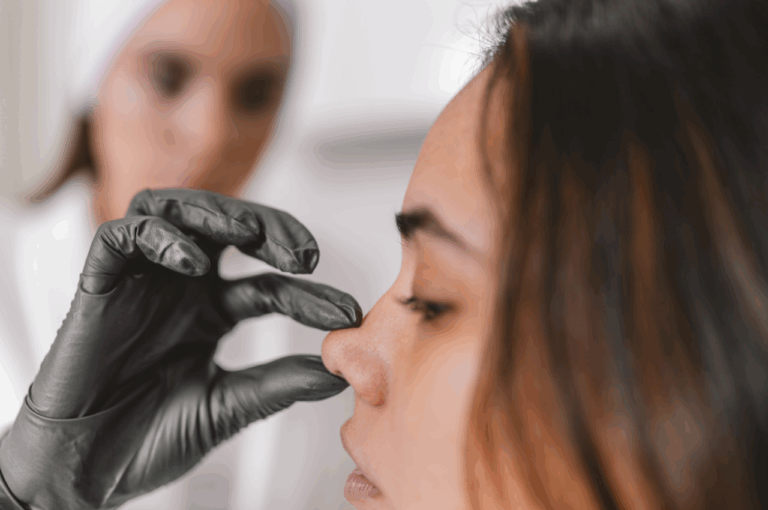
At the Rhinoplasty Center of Long Island, our team knows that the days and weeks after your rhinoplasty can feel filled with questions. One of the most common concerns is how to properly tape your nose after surgery. Taping provides gentle support to your delicate new nose and helps ensure your results settle just right.
You may feel anxious about whether you are taping too tightly or not enough. Our surgeon and staff will guide you through each step, offering clear directions and demonstrations. The information below will help you feel ready and confident throughout your recovery.
Key Takeaways
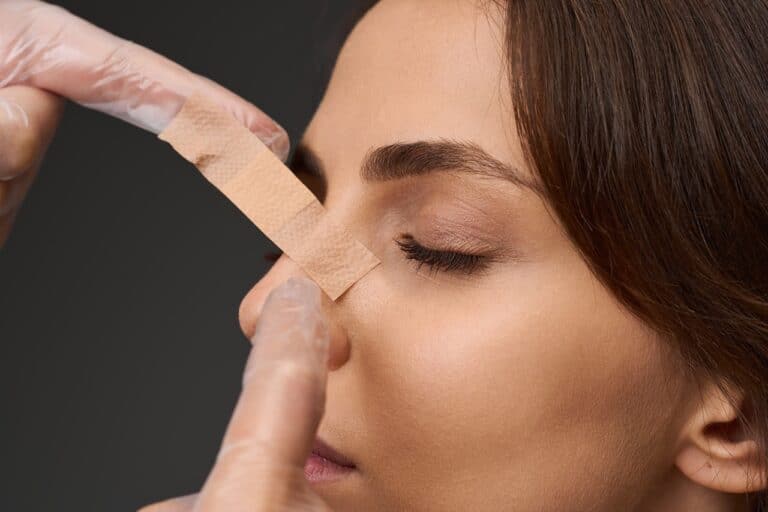
Why Taping Is Important After Rhinoplasty
Taping your nose is a key part of healing. Our team recommends this step for several reasons, each rooted in the mechanics of your recovery.
Taping Limits Swelling and Aids Shape
Proper taping helps control swelling by applying gentle, uniform pressure to the skin and soft tissue. Swelling can obscure the new nasal shape, so keeping it minimal supports a smoother, quicker recovery.
This process also helps reinforce the new contours of your nose created during your rhinoplasty. Taping gives external support while your tissues adapt to their new structure.
Psychological and Physical Comfort
For many patients, routine taping provides a sense of security. This comfort can encourage good habits and ease any anxiety about post-surgical care.
You will also find that the tape reminds you to avoid unconscious bumping, scratching, or rubbing of your nose as you heal.
Preventing Shifting and Irregularities
The first few weeks after rhinoplasty are crucial for stabilization. Taping minimizes the risk of shifting, thick scar tissue, or irregular stickiness that may compromise your final outcome. Our surgeon will show you the best tape placement for your unique nose and healing needs.
How to Know If You Are Taping Your Nose Too Tight
Many people worry about finding the right tape tension. The tape should not feel loose, but over-tightening can cause new problems.
Key Signs Your Tape May Be Too Tight
When applying tape, check for these warning signs:
- Excessive Redness: Bright red or purple marks under the tape that do not fade within one hour mean you should loosen the tension.
- Numbness or Tingling: Pins-and-needles, numbness, or unusual sensations suggest you have cut off some surface circulation to the skin.
- Indentations or Grooves: Deep lines or grooves left after you remove the tape can signal that you should use a gentler touch.
- Pain or Throbbing: Ongoing discomfort is not normal and should be addressed with our team.
- Difficulty Breathing: Anything that restricts your airflow or makes breathing through your nose worse needs immediate attention.
Our team would like you to remember that a small amount of redness or light pressure is normal. If any of these signs persist or appear severe, reach out to the Rhinoplasty Center of Long Island right away so we can guide you.
What the Correct Tension Feels Like
When your tape is secure, the nose feels gently hugged, not squeezed. You can feel some downward support, but not pinching or discomfort. The tape should hold firm yet still be easy to remove at the end of the taping period.
If you notice that the tape peels off on its own or shifts out of place, try smoothing and pressing more carefully, rather than tightening the wrap.
Correct Taping Technique for Rhinoplasty Recovery
Our surgical team will provide a clear step-by-step plan to tape your nose at home. The right technique both protects your results and helps you avoid common pitfalls.
What Supplies You Will Need
You can pick up your supplies at most drugstores or let our staff provide you with approved tape brands and any special materials you need.
- Medical Paper Tape: Use hypoallergenic, gentle paper tape. This option allows the skin to breathe and prevents irritation.
- Scissors: Small, blunt scissors work best for preparing tape strips.
- Clean Hands: Always wash your hands before handling tape or touching your healing nose.
How Our Doctor Teaches the Taping Process
Our surgeon typically teaches a two-step taping technique after rhinoplasty.
First, you will apply horizontal strips across the bridge and sides. The tape should begin just above the tip and run towards the top of your nose. Each strip should slightly overlap the last, ensuring even support.
Next, create a U-shaped support for the tip by wrapping a piece under and then up each side. This move prevents swelling at the tip and reinforces the lower nasal structure.
Do not let the tape cross into the nostrils or press into the base of your nose. Take care not to pull the tape too tight as you secure each piece.
Tips for Taping Successfully at Home
Try these strategies to make taping easier:
- Work in front of a well-lit mirror so you can see helpful angles and shadowing
- Cut and measure tape strips in advance to avoid fumbling with your hands
- Apply gentle pressure with fingertips as you smooth the tape, being careful not to stretch the tape itself
- Check your skin for adhesive reactions or new discomfort every morning when you remove the tape
Our surgeon encourages you to ask for a demonstration during your follow-up appointment. Repeating the process under supervision helps you feel much more confident at home.
How Long You Should Tape Your Nose After Rhinoplasty
Every nose and every recovery path is a little different, but our surgeon follows general timeframes based on healing science and years of experience in rhinoplasty care.
Timeline for Taping
Patients at the Rhinoplasty Center of Long Island typically tape their nose nightly for six weeks after the initial dressing is removed. You can expect our team to revisit your taping plan as your tissues heal.
- First Week: Our doctor applies splints or steri-strips, which you keep undisturbed
- Weeks 2-6: You apply fresh tape nightly, following our taping demonstration and guidelines
Most swelling and risk of cartilage movement after rhinoplasty happens in the first six weeks. Taping beyond this period is sometimes advised for individuals with thick skin, ongoing swelling, or in certain revision cases.
When to Stop Taping
Our surgeon will give you the “all clear” to stop taping once your swelling is stable and your soft tissues have firmly taken to their new shape. You may be able to stop sooner if you heal quickly, or our team may extend taping a bit longer in special cases.
Never stop taping or change your routine on your own without checking in first. Stopping too early may compromise your results or allow post-surgical swelling to return.

Benefits of Proper Taping for Your Rhinoplasty Results
The simple act of taping has an outsized impact on your final rhinoplasty outcome. When you tape correctly, you give your body the best chance to heal predictably.
Short-Term and Long-Term Advantages
Proper taping does more than just manage swelling after rhinoplasty. It also:
- Stabilizes Soft Tissues: Skin, cartilage, and soft structures remain in their intended positions as they knit together and heal.
- Reduces Scar Thickening: You can minimize internal and external scar tissue build-up that can lead to bumps or irregularities.
- Improves Comfort: Taping discourages unconscious touching or bumping of a sensitive new nose, which might otherwise disrupt healing.
- Guides Symmetry: Even pressure from tape helps maintain the symmetry set during surgery as your body adjusts.
Patients who follow all aftercare instructions, including taping, tend to see the smoothest, most predictable transitions from surgery to final result. You invest a little time each night to protect years of careful planning and technical artistry from your operation.
Potential Problems to Watch For After Taping
Rarely, patients may experience complications from taping, which need special attention. Our team is ready to answer questions and address concerns quickly.
Warning Signs You Should Contact the Rhinoplasty Center of Long Island
- Persistent Numbness: Numbness or cold skin that lasts more than one hour after removing tape may require an office visit.
- Deep or Painful Indentations: If marks do not fade after a short time, share photos or make a follow-up appointment.
- Unusual Swelling or Fluid Under Tape: New bulges or firm, swollen areas can signal a complication and need prompt evaluation.
- Severe Itch or Rash: Allergic reactions to tape happen sometimes, and switching tape types may help.
No question or concern is too small during your rhinoplasty recovery. Our team warmly encourages you to reach out for any unusual symptoms.
Additional Tips for the Best Rhinoplasty Recovery
You can take several steps to care for your nose and encourage the best possible outcome after surgery. Taping is important, but a few other habits go a long way.
- Sleep With Head Elevated: Keeping your head propped with pillows controls swelling and helps tape stay in place overnight.
- Avoid Direct Sun and Heat: Excessive sun or heat exposure can increase swelling and interfere with healing.
- Keep Tape Dry and Clean: Wet tape loses tension and sticks poorly, so keep the taped area dry, especially after showers.
- Follow Other Aftercare Instructions Closely: This includes taking precautions when wearing glasses after rhinoplasty to avoid pressure on the nasal bridge, as well as avoiding strenuous movement.
Every choice you make to protect your nose in the weeks after surgery preserves the beauty and precision of your result.
Frequently Asked Questions about Post-Rhinoplasty Taping
Many patients have specific questions when they first begin the taping routine after rhinoplasty. The answers below can give you additional clarity and peace of mind.
Finding Confidence in Your Rhinoplasty Recovery Plan
Healing well after rhinoplasty is a team effort between you and our surgical staff. From demonstrating the perfect tape technique to checking your nose’s progress at each visit, we take pride in helping you heal safely and confidently.
You have every right to ask questions, request a taping demonstration, or show us photos if you feel unsure. At the Rhinoplasty Center of Long Island, you will always receive personalized support and plenty of encouragement throughout your recovery.
Your new nose takes time to settle, and each small step, including taping, truly makes a difference in your outcome. We hope this guide empowers you and clears up any confusion about post-rhinoplasty taping.
If you want step-by-step help, or if you have questions about your healing, reach out to our caring team at the Rhinoplasty Center of Long Island. We look forward to guiding you or your loved one every step of the way.