
Broken Nose Surgery on Long Island
If a fall, sports injury, or accident left your nose crooked or hard to breathe through, Dr. Ari Hoschander can restore its shape and function on Long Island.
Has a Broken Nose Changed Your Face?
A broken nose can be scary, and once the first shock passes, most people on Long Island have the same two questions. Will my nose look the same, and will I be able to breathe normally again?
Broken nose repair puts the bones and cartilage of your nose back where they belong, which can restore both its shape and your airflow. Dr. Hoschander treats fresh breaks within the first two weeks, as well as older breaks that healed crooked or blocked. Many patients come to our Long Island office within days of an injury, while others come years later.
A fresh break can often be set without any cuts by gently moving the bones back into line once swelling eases. An older break that has already healed usually needs rhinoplasty or septorhinoplasty, which reshapes the bone and cartilage from the inside. At the Rhinoplasty Center of Long Island, each plan starts with how your nose breathes, not just how it looks.
Book a consultation to find the right repair for your broken nose.
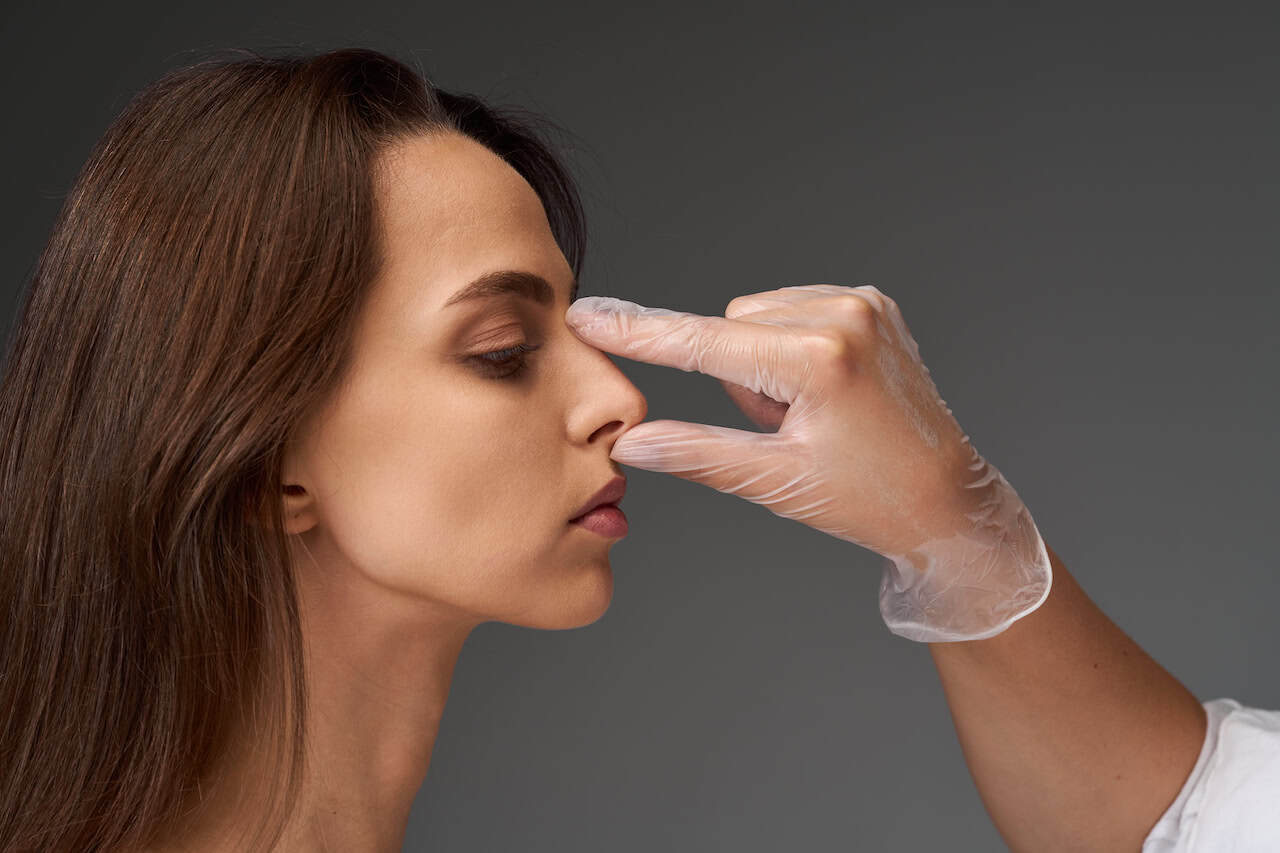
Benefits of Broken Nose Repair
Broken nose repair offers several benefits that can improve both your appearance and your daily comfort. Here is what many patients notice once healing is complete.
Ideal Candidates for Broken Nose Repair
Good candidates have a nose that shifted, looks different, or breathes worse after an injury. The points below can help you see whether that sounds like you.
A Break Within the Last Two Weeks
The bones are still movable, so they can often be set without surgery once swelling eases.
A Crooked Look After Swelling Fades
The bridge leans to one side or shows a new bump once the puffiness settles.
Blocked Breathing Since the Injury
One side of your nose has felt stuffed since the break, which often points to a shifted septum.
An Old Break That Healed Wrong
The bones set crooked months or years ago, and you want both shape and breathing fixed.
Fully Healed Before Reshaping
For older breaks, surgery usually waits until the bones have firmly set, often several months after the injury.
Teens Hurt Playing Sports
Younger patients can have fresh breaks set safely, while bigger reshaping waits until the nose finishes growing.
Broken nose patients from across Long Island can be checked quickly at our office.
A broken nose consultation is your first step toward a straighter, clearer nose.
What Happens When a Broken Nose Is Repaired
The upper third of the nose is made of two thin nasal bones. The lower two-thirds is made of cartilage, a firm but flexible tissue.
The septum runs down the middle of the nose. It is made of cartilage and bone, supports the nose, and divides it into two airways. A strong impact can break the nasal bones, bend the septum, or injure both.
In the first one to two weeks after an injury, broken nasal bones are still movable. During this time, they can often be pushed back into position without incisions.
After this period, the bones begin to heal in their new position. Once they have set, correcting the shape usually requires rhinoplasty. The surgeon separates the bones and moves them back toward the center.
The septum is often an important part of the repair. Even if the outside of the nose looks straight, a shifted septum can block airflow on one side. It is usually straightened during the same procedure.
Damaged or bent cartilage can be trimmed, reshaped, or supported with small grafts. The goal is to restore a straight nose and improve airflow through both sides.
“Timing matters with a broken nose. Some fractures can be set in the first week or two, once the swelling goes down. Others are best fixed after the bones have fully healed. We treat injured noses at both stages and explain which path fits yours.”
What to Expect During a Consultation at Our Long Island Office
Your visit starts with Dr. Hoschander asking how and when the injury happened, how your breathing has changed, and what your nose looked like before. Bring a few older photos if you can, since they help him see what shape to restore.
He then examines the outside of your nose and looks inside with a light to check the septum and lining. He also checks for a blood pocket on the septum, called a septal hematoma, which needs treatment right away.
Our team at the Rhinoplasty Center of Long Island can help schedule fresh breaks within the repair window and check whether insurance covers your care. If your teen was hurt during a game, call soon, since the window to set a fresh break is short.
How to Prepare for Your Broken Nose Repair
A little planning before your repair makes the first week at home much easier. Here is what to set up ahead of time.
Ice Packs Ready
Keep gel packs or frozen peas wrapped in a cloth to calm swelling and bruising.
Old Photos
Gather clear photos of your nose from before the injury to guide the repair.
Raised Sleep Setup
Stack pillows or use a wedge so your head stays raised and swelling drains overnight.
Sports Pause
Plan to sit out contact sports and practices for several weeks while the bones heal.
Medication Review
Stop aspirin, ibuprofen, and certain supplements as directed, since they can raise your risk of bleeding.
Ride and Helper
Arrange for someone to drive you home and stay with you for the first night.
These basics help broken nose patients on Long Island heal with less stress.
Your Broken Nose Repair, Step by Step
Fresh breaks and older breaks follow slightly different paths, but surgery day feels much the same. Here is how a typical repair unfolds.
Broken Nose Repair Recovery Timeline
Recovery from a broken nose on Long Island depends on whether your bones were reset early or rebuilt later. Every patient heals at their own pace, so treat this timeline as a general guide.
Days 1-3
Swelling and bruising peak during these first days, and your nose may feel stuffed. You’ll rest with your head raised and use cold compresses for comfort.
Week 1
The outer splint usually comes off around one week. Patients with a simple reset often return to school or work within a few days of the repair.
Weeks 2-3
Most bruising fades during this period, and patients who had a fuller rebuild usually head back to work. You can return to walks and light activity.
Weeks 4-6
The nasal bones are firming up in their new position. You can usually ease back into regular workouts, though anything that risks a hit should still wait.
Months 2-3
Once we clear you, lacrosse, hockey, and other contact sports are usually back on the table. A face guard is a smart idea for your first season back.
6-12 Months
The last of the swelling fades slowly, especially after a fuller rebuild. By this stage, most patients see a straighter nose and enjoy airflow through both sides.
Recovery Tips
Why Choose Us for Broken Nose Repair
Dr. Hoschander is a board-certified plastic surgeon with more than 20 years of surgical experience and a practice focused on the nose. For a broken nose, Long Island patients get a surgeon who treats breathing and appearance as one problem, whether the injury happened last week or years ago.

Fast Care for Fresh Breaks
He moves quickly when a break is new, since the bones are easiest to reset in the first two weeks. A timely reset can often spare you from a larger surgery later.
Straight Nose, Open Airway
He checks the septum as closely as the outside, since a straight-looking nose can still hide a blocked side. Both are corrected together so your repair holds up over time.
Steady Healing After Injury
He protects the repair with careful splinting and close follow-up through the healing months. Clear guidance on sports and activity helps you return safely while the bones finish setting.
Frequently Asked Questions About Broken Nose Repair
A broken nose raises urgent questions, especially about timing. We answer the ones we hear most from injured patients across Long Island.
Why Choose the Rhinoplasty Center of Long Island?
At the Rhinoplasty Center of Long Island, we’re dedicated to providing exceptional rhinoplasty care from your first consultation to your final results. Whether you’re located in Nassau or Suffolk County, our team is here to guide and support you throughout the entire process.
We specialize in a range of rhinoplasty techniques that cover all types of noses and focus on delivering results that meet your unique needs. Whether you’re considering cosmetic, functional, or revision rhinoplasty, our expertise ensures you achieve the look and function you have always wanted.
Have questions or ready to book your in-person or virtual consultation? Contact the Rhinoplasty Center of Long Island today. We’re here to help!
Rhinoplasty Center of Long Island
1201 Northern Blvd #2A
Manhasset, NY 11030
(516) 928-4480