
Septorhinoplasty on Long Island
If your nose blocks your breathing and you also want to change its shape, Dr. Ari Hoschander can address both in one surgery on Long Island.
Want to Breathe Better and Like Your Nose?
Many septorhinoplasty patients on Long Island come to us with two concerns at once: a nose that feels blocked and a shape they never quite liked. When you live with both, it can feel like you have to pick which problem matters more.
Septorhinoplasty is one surgery that straightens the septum inside your nose and reshapes the outside at the same time. Dr. Hoschander uses it to open your airway while he refines a bump, a crooked bridge, or a wide tip, so you no longer have to choose. Patients come from across Long Island to our Manhasset office for this two-in-one approach.
The work is done through small cuts inside the nostrils, and sometimes one tiny cut on the strip of skin between them. The septum is straightened first, and then the bone and cartilage that shape your nose are adjusted to fit your face. At the Rhinoplasty Center of Long Island, every plan is built to protect your breathing while it changes how your nose looks.
Book a consultation to see how one surgery can improve both breathing and shape.
Septorhinoplasty at a Glance
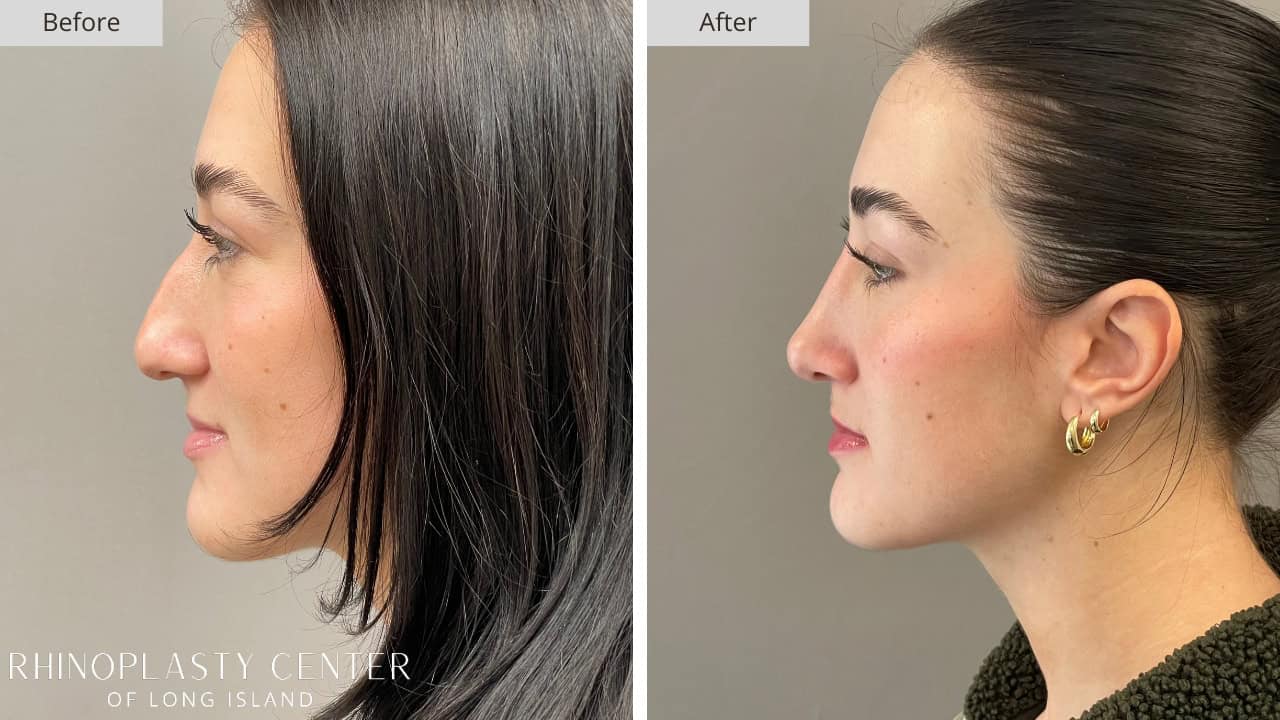
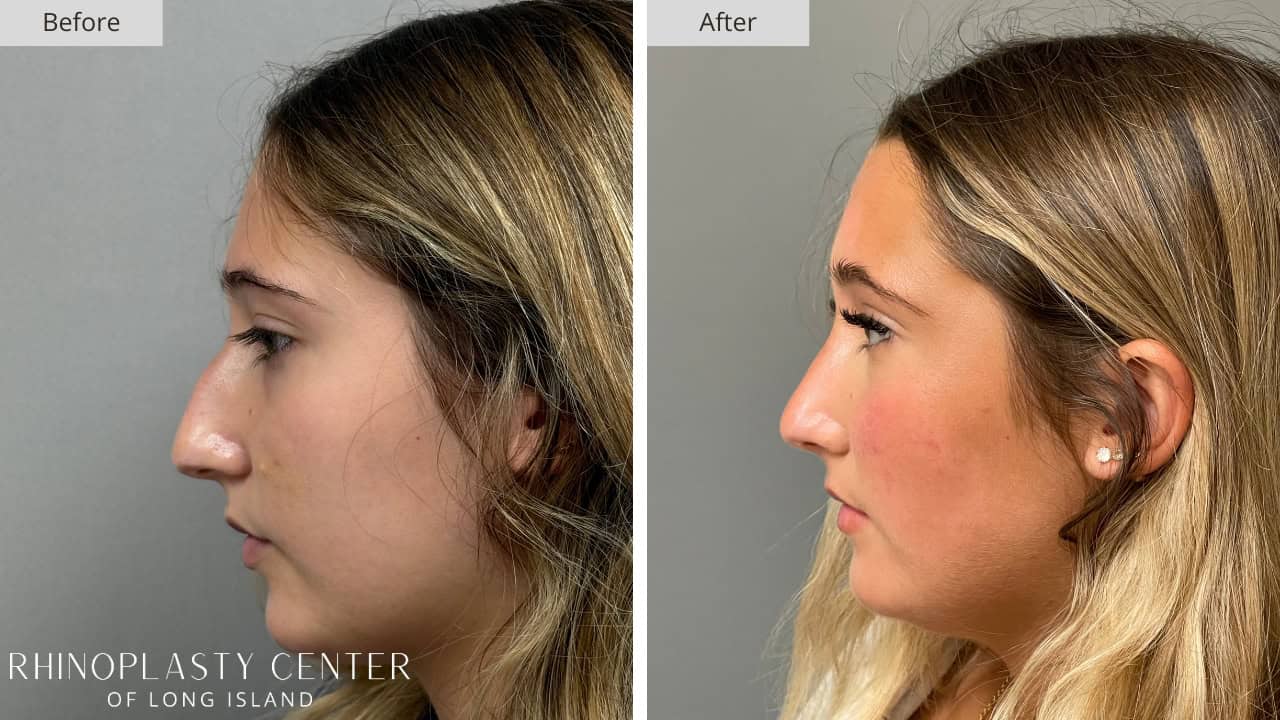
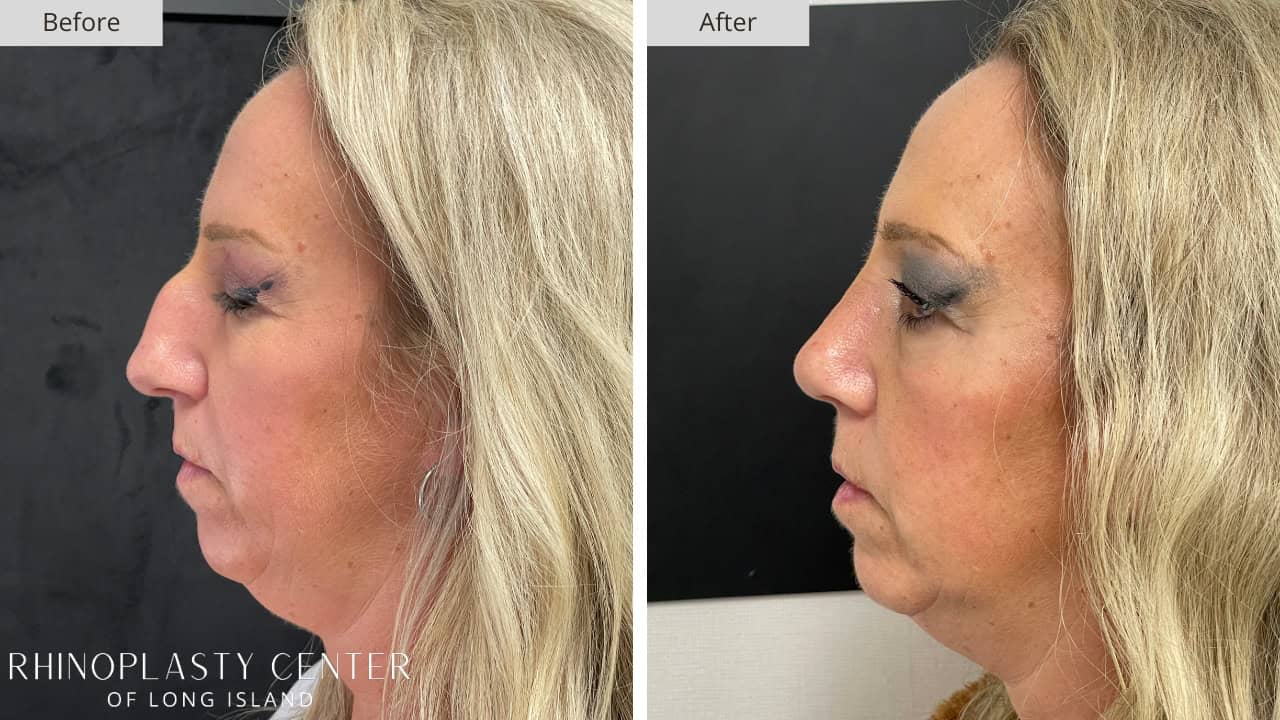
Before & After Results
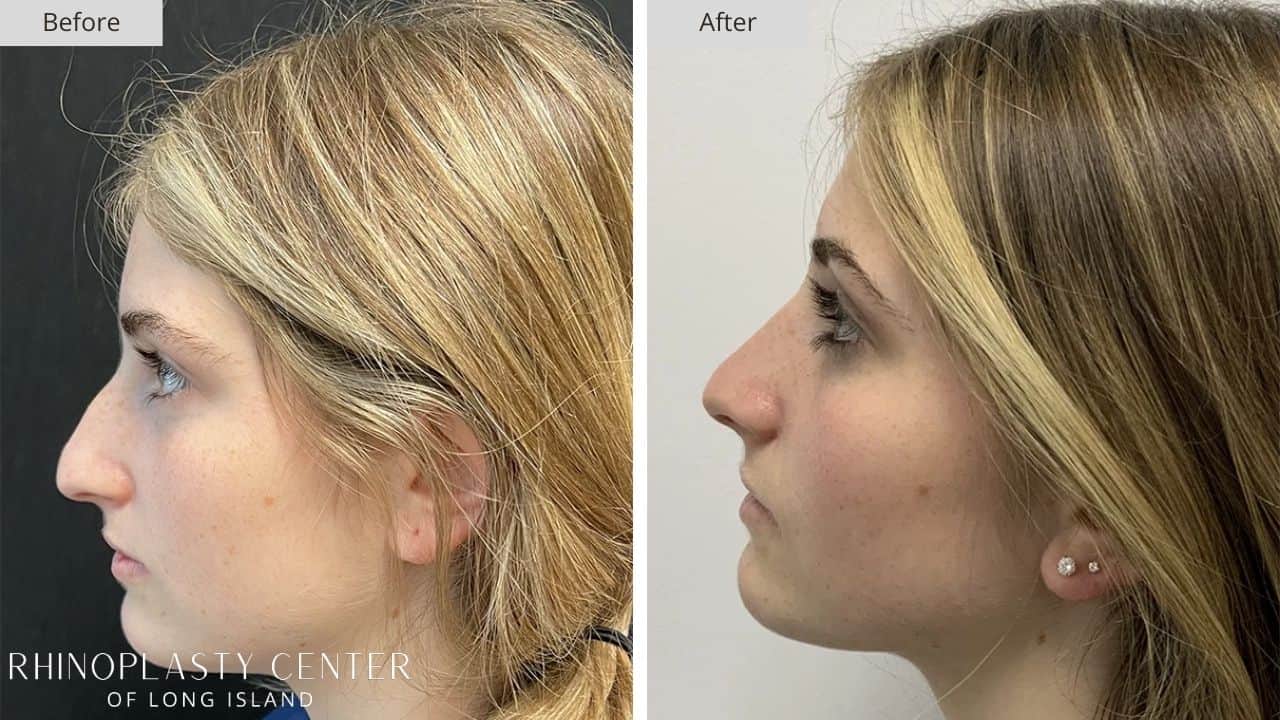
These photos show patients from across Long Island treated at the Rhinoplasty Center of Long Island. Depending on each patient’s goals, surgery can straighten the septum for better breathing, refine the shape of the nose, or both.


Benefits of Septorhinoplasty
Septorhinoplasty offers several benefits that can improve both how your nose works and how it looks. Here is what many patients notice once healing is complete.
Ideal Candidates for Septorhinoplasty
Good candidates have both 1) a breathing problem that comes from the structure of the nose and 2) a shape they would like to change. The points below can help you see whether that sounds like you.
Blockage Plus a Shape Concern
One side of your nose feels stuffed, and you also dislike a bump, tip, or crooked look.
A Septum That Leans
A look inside your nose shows the center wall bending toward one side and narrowing that airway.
A Crooked Nose From an Old Injury
A past break left the outside crooked and the inside blocked, and the bones have fully healed.
A Nose That Has Finished Growing
The nose usually reaches its adult size in the mid to late teens, so surgery waits until then.
Healthy Septal Cartilage to Work With
Enough straight cartilage remains after the bent part is fixed to support or reshape the nose.
Sprays and Pills Have Not Helped
Steroid sprays, allergy pills, or nasal strips have been tried for months without lasting relief.
We’ll confirm whether septorhinoplasty fits your goals at our Long Island office.
A free septorhinoplasty consultation is your first step toward easier breathing and a nose you like.
How Septorhinoplasty Fixes the Inside and Reshapes the Outside
The septum is a thin wall of cartilage and bone that runs down the middle of your nose. It divides the left and right airways and supports the bridge and tip.
The nose has a few main parts:
- Nasal bones: These form the upper part of the bridge, closest to your eyes.
- Septum: This central wall supports the bridge and tip and separates the two airways.
- Tip and nostril cartilage: These softer cartilages shape the tip and the openings of the nose.
- Skin: The skin sits over this framework, so the outside appearance depends on the structure underneath.
When the septum is bent, one side of the nose becomes narrower and harder to breathe through. A bent septum can also shift the nose off center, which is why breathing problems and a crooked nose often happen together.
During septorhinoplasty, the bent part of the septum is removed or repositioned to the middle. An L-shaped section of septum is left in place to keep the bridge and tip properly supported.
Healthy cartilage removed from the septum is often saved and used as graft material. These small pieces can help straighten, support, or reshape other areas of the nose.
We can then smooth a bump, reposition the nasal bones to straighten or narrow the bridge, and refine the tip with stitches. This allows breathing and appearance to be improved in the same surgery.
“Patients often come in for one reason and find out about the other. A person who wants a smaller hump may have a septum that has been crooked for years. We look inside the nose at every consultation. A nose that looks better but breathes worse is not a result we accept.”
What to Expect During a Consultation at Our Long Island Office
Your visit starts with Dr. Hoschander asking how your breathing feels, which side bothers you most, and what you would like to change about your nose. He then looks inside your nose with a light and studies the outside from every angle, along with photos for your records.
Next, he walks you through what is causing the blockage and which shape changes make sense for your face. He also explains the risks and what recovery from both parts will look like for you.
Our team at the Rhinoplasty Center of Long Island can help you sort out what insurance may cover, since the breathing part is often covered and the cosmetic part is not.
How to Prepare for Your Septorhinoplasty
A little planning before surgery makes the first week at home much easier. Here is what to set up ahead of time.
Saline and Humidifier
Buy saline spray and set up a cool-mist humidifier to ease dryness and crusting inside your nose.
Elevated Sleep Setup
Stack two or three pillows or use a wedge so you can sleep with your head raised.
Cold Compresses
Keep gel packs or bags of frozen peas ready to calm swelling and bruising around your eyes.
Glasses Plan
Plan for contacts or a glasses holder, since glasses should not rest on your healing bridge for several weeks.
Medication Review
Stop aspirin, ibuprofen, and certain supplements as directed, since they can raise your risk of bleeding.
Ride and Helper
Arrange for someone to drive you home and stay with you for the first night after surgery.
These steps make the first week after septorhinoplasty on Long Island much easier.
Your Septorhinoplasty, Step by Step
A clear picture of surgery day can take some of the nerves out of it. Here is how a typical septorhinoplasty unfolds from start to finish.
Septorhinoplasty Techniques
Septorhinoplasty can be done in more than one way. The right approach depends on your anatomy and how much the outside of your nose needs to change.
Closed Septorhinoplasty
All cuts stay inside the nostrils, so there is no outside scar. This is the approach used for the majority of septorhinoplasty cases at the Rhinoplasty Center of Long Island, including many that involve bridge, tip, and graft work. It typically means less swelling and a quicker recovery.
Open Septorhinoplasty
In select cases, one small cut is added across the strip of skin between the nostrils, and the skin is lifted for a full view of the frame. This may be used for complex reconstruction or some revision cases. The small scar typically fades well and is hard to spot.
Procedures Often Combined with Septorhinoplasty
Some patients have more than one cause of blockage and choose to fix them during the same surgery. These are the procedures most often paired with septorhinoplasty.
Turbinate Reduction
The turbinates are ridges along the side walls of the nose that warm and moisten the air you breathe. When they stay swollen, they can keep your nose blocked even after the septum is straight. If they are shrunk during the same surgery, you gain more space with no extra recovery period.
Nasal Valve Repair
The nasal valve is the narrowest part of your airway, just inside the nostrils. If its side walls are weak and pull inward when you breathe in, small cartilage grafts can brace them. Cartilage from your septum is often used for this, which makes it a natural fit with septorhinoplasty.
Septorhinoplasty Recovery Timeline
Recovery from septorhinoplasty on Long Island often falls during the colder months, when heated indoor air can dry out a healing nose. Everyone heals at their own pace, so treat this timeline as a general guide.
Days 1-3
Your nose will feel stuffed and sore, and bruising may show under the eyes. You’ll rest with your head raised and use cold compresses for comfort.
Week 1
The outer cast and any inner splints usually come off at your one-week visit. Many patients feel ready for desk work or classes by this point.
Weeks 2-3
Most bruising fades during this period, and your nose often looks normal to others while it still feels stiff. You can return to light walks and errands.
Weeks 4-6
Air moves more easily through both sides as inside swelling settles. You can usually ease back into workouts and wear glasses again once we give the okay.
Months 2-6
Most swelling is gone, though the tip may stay a bit firm. Sunscreen and a wide hat protect your healing nose on South Shore beach days.
12 Months+
The last bit of swelling in the tip fades over about a year. By this point, you’ll typically see your final shape and enjoy airflow through both sides.

Recovery Tips
Why Choose Us for Septorhinoplasty
Dr. Hoschander is a board-certified plastic surgeon with more than 20 years of surgical experience and a practice built around the nose. For patients on Long Island weighing septorhinoplasty, that focus means one plan that treats your breathing and your shape as parts of the same nose.

One Plan for Breath and Shape
He maps out the inside and outside changes together, so a smaller bridge never comes at the cost of airflow. Every step is chosen to keep your airway open while your profile improves.
Grafts From Your Own Septum
He saves healthy cartilage from the septum and uses it to support the tip, straighten the bridge, or brace the airway. Your own tissue tends to heal well and keeps your new shape steady.
Careful Splint and Swelling Care
He checks your nose at each key stage, from cast removal to the final tip swelling. Clear aftercare steps and close follow-up help you heal comfortably and let our team spot any concerns early.
Frequently Asked Questions About Septorhinoplasty
Septorhinoplasty fixes how your nose works and how it looks in a single surgery. Below are answers to the questions our Long Island patients ask most before they book.
Why Choose the Rhinoplasty Center of Long Island?
At the Rhinoplasty Center of Long Island, we’re dedicated to providing exceptional rhinoplasty care from your first consultation to your final results. Whether you’re located in Nassau or Suffolk County, our team is here to guide and support you throughout the entire process.
We specialize in a range of rhinoplasty techniques that cover all types of noses and focus on delivering results that meet your unique needs. Whether you’re considering cosmetic, functional, or revision rhinoplasty, our expertise ensures you achieve the look and function you have always wanted.
Have questions or ready to book your in-person or virtual consultation? Contact the Rhinoplasty Center of Long Island today. We’re here to help!
Rhinoplasty Center of Long Island
1201 Northern Blvd #2A
Manhasset, NY 11030
(516) 928-4480